By Janet Epp Buckingham
The World Evangelical Alliance (WEA) is an international Christian coalition whose members long for a better future for humanity. WEA was founded in 1846 to unify evangelical Christians. Today, we bring together national alliances and affiliated organizations worldwide as they serve their communities — supporting peace, human dignity, and human flourishing through practical service, community-based support, and relational peacebuilding.
Through our work at the United Nations, and alongside national alliances in more than 160 countries and over 100 affiliated organizations, we have learned that lasting peace requires more than legal protections. It also depends on social trust, community healing, and protecting human dignity — especially for people facing trauma, displacement, and vulnerability.
In many contexts, faith-based organizations contribute to these aims by creating safe and trusted spaces where people can recover, reconnect, and rebuild community life.
We advocate on a range of issues and support our member alliances in practical ways. Here are a few current examples from evangelical churches and partners in different regions of the world.
Nepal — disaster response and long-term recovery
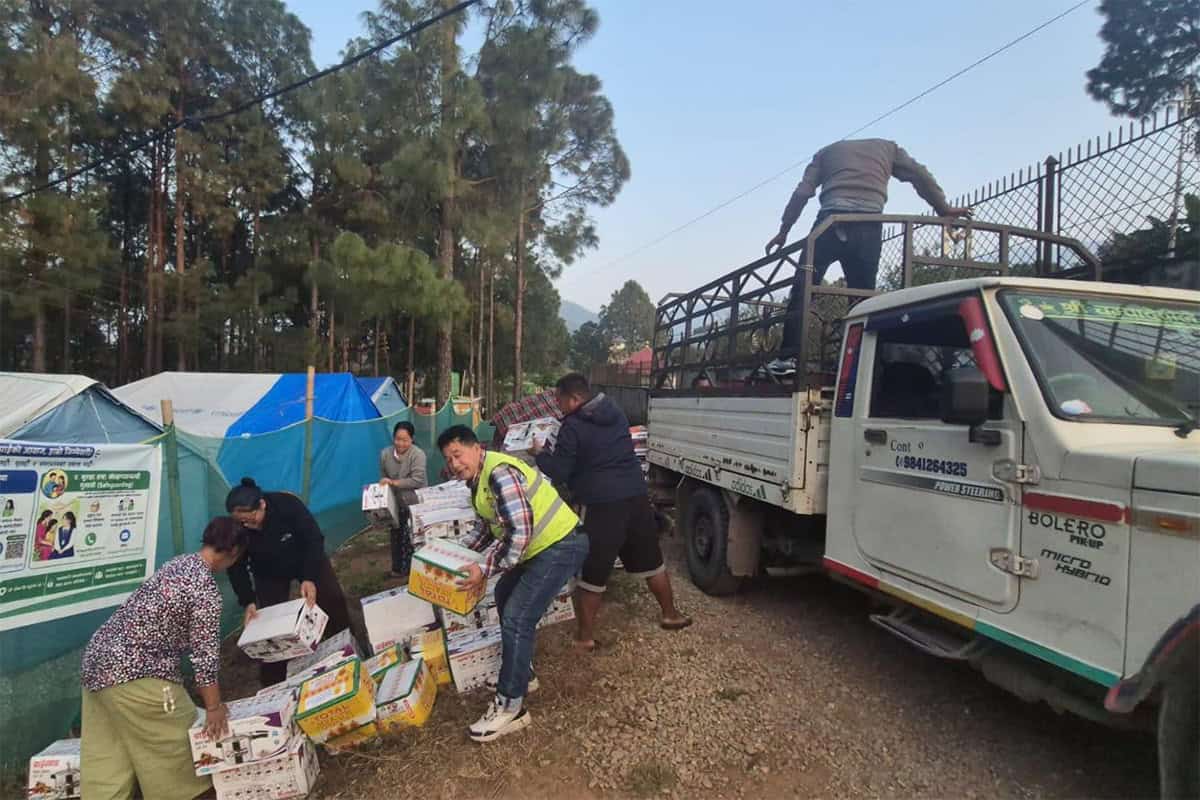
After the glacier collapse and floods in Nepal on 26 August 2026, churches and Christian organizations supported both immediate relief and longer-term recovery. Key contributions included:
- Emergency assistance, including food, clean water, shelter materials, medical supplies, and hygiene kits
- Local assessment and rescue support, with teams from the National Churches Fellowship of Nepal and the Nepal Christian Society entering affected areas — at times traveling by mountain bike because roads had been destroyed
- Medical and psychosocial support, alongside spiritual care for people experiencing fear, grief, and displacement
- Coordination of resources, in partnership with international bodies and Christian relief organizations, to raise funds and support an effective response
- Community rebuilding, including initiatives focused on education, housing, sanitation, and recovery support for families
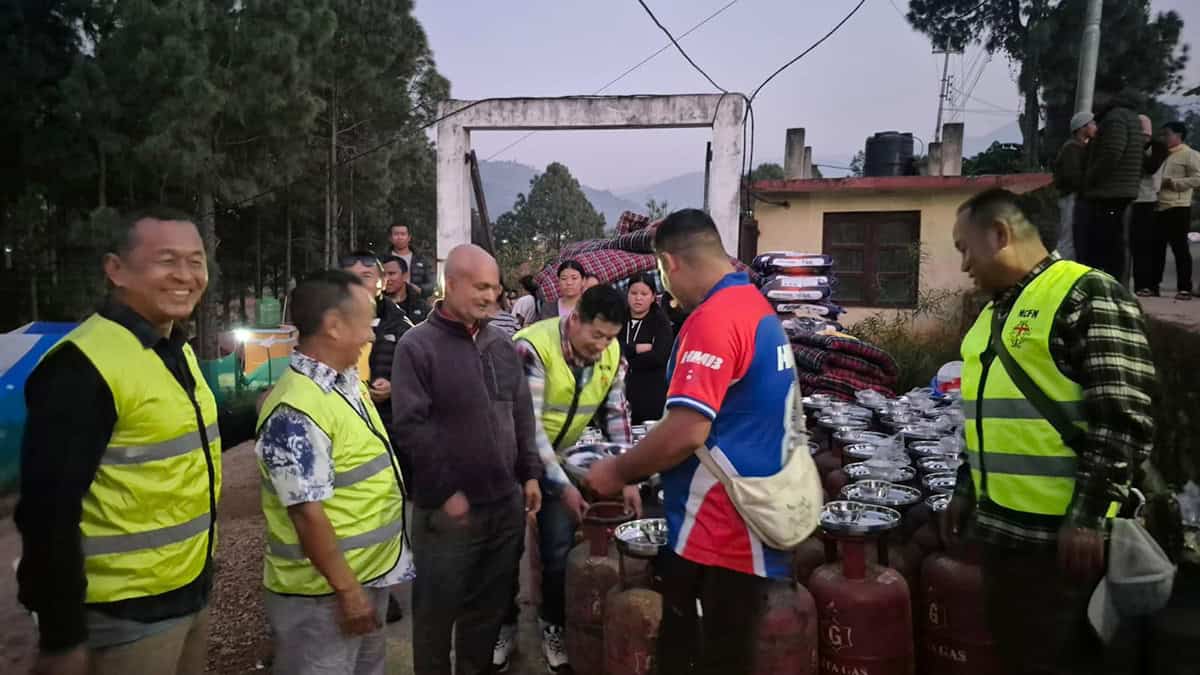
In pluralistic societies, this work is often carried out in partnership with local institutions and community networks, so that assistance is grounded in dignity and delivered with care.
Uganda — reconciliation, social cohesion, and community healing
In Uganda, the Pilgrim Center for Reconciliation Uganda, working with WEA’s Peace and Reconciliation Network, promotes healing, reconciliation, and social cohesion among refugees, host communities, and other groups affected by conflict and displacement.
Uganda hosts more than 2 million refugees and asylum seekers, mainly from South Sudan, the Democratic Republic of the Congo, Sudan, Somalia, Burundi, Eritrea, Rwanda, and Ethiopia. The country’s refugee framework emphasizes protection, integration, peaceful coexistence, and freedom of religion.
Yet legal protections alone are not enough. Community-based reconciliation and relationship-building are essential — particularly where people have experienced trauma and, in some cases, conflict involving different affiliations or roles.
For example, the South Sudan–Uganda Border Healing and Reconciliation Retreats brought together about 100 participants, including women, young people, community leaders, soldiers, faith-based missionaries, refugees, and host-community members. Activities included dialogue, prayer, storytelling, reflection, and reconciliation exercises designed to rebuild trust and strengthen relationships across the border.
Reported impacts included:
- Women creating safe spaces to share experiences of displacement and conflict, and to develop their roles as peacebuilders
- Young people being encouraged to reject violence and to pursue reconciliation as an active responsibility
- Soldiers and civilians engaging in dialogue that fosters mutual understanding and recognition of a shared responsibility for peace
- Missionaries providing long-term accompaniment and helping to sustain reconciliation within communities
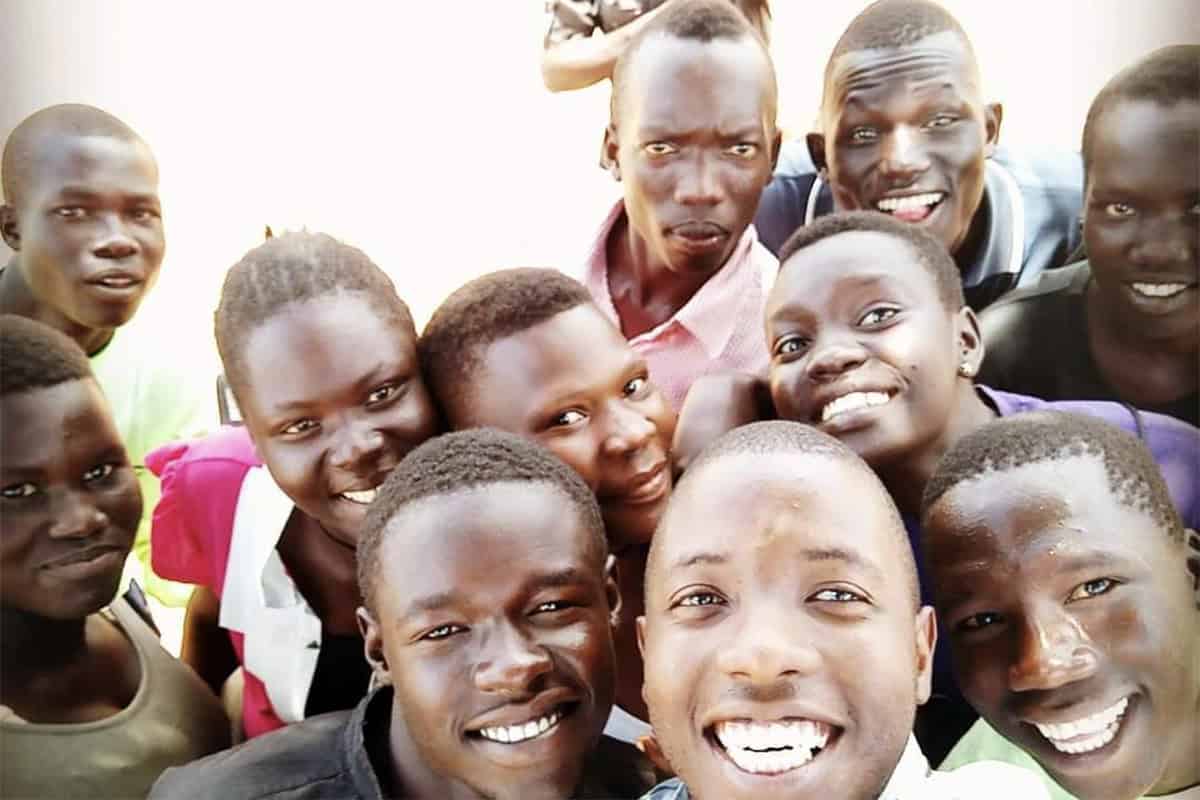
Peacebuilding is fundamentally relational. Governments and humanitarian organizations provide legal protection and material support. Faith-based organizations often help sustain social cohesion by creating trusted spaces for healing, forgiveness, dialogue, and reconciliation.
These efforts empower refugees and marginalized groups, and help build the social capital that resilient communities need.
Jordan — safe, dependable care for vulnerable children
In Jordan, and in cooperation with partners in Gaza, SANADAK provides practical support for vulnerable children and their caregivers — strengthening safe, dependable care and children’s sense of belonging.
SANADAK was established in 2016 under the umbrella of the Assemblies of God Church of Jordan. It provides caregiver training, psychosocial support, community activities, and practical assistance.
Its work serves refugee communities, underserved areas, residential care settings, and foster families. This includes partnerships with SOS Children’s Villages and institutions under Jordan’s Ministry of Social Development, and work with adolescent girls at Dar Al-Hanan.
The HOPE Groups program
HOPE Groups is central to this work. Its structured curriculum supports caregiver well-being, positive parenting, and the prevention of violence against children through practical exercises, guided discussion, and peer support.
SANADAK helped adapt the curriculum for the Middle East and North Africa (MENA). SANADAK and HOPE Groups MENA coordinate training, implementation, supervision, and follow-up, including safeguarding, referrals, and monitoring.
In Jerash Camp in Jordan (often called Gaza Camp), SANADAK has supported 512 caregivers through HOPE Groups. Assuming an average of four children in each caregiver’s family, the program could reach approximately 2,000 children — showing how support for caregivers extends to children and families.
Partnerships with the University of Oxford, World Without Orphans, local organizations, and the global HOPE Groups team combine research and technical expertise with community knowledge. SANADAK contributes to curriculum adaptation, training, supervision, and implementation, while local partners bring trusted relationships that strengthen delivery and capacity in the community.
Extending the work to Gaza
In Gaza, Phase I has begun, with SANADAK and HOPE Groups MENA delivering online training for coordinators, trainers, and caregivers. Online delivery responds to restrictions on travel between Jordan and Gaza.
Further implementation requires continued resources, supervision, access to suitable venues, and the necessary permissions.
Present for the short and long term
Whether in disaster, conflict, or crisis, evangelical churches and their partners respond with immediate humanitarian assistance, crisis support, trauma healing, and long-term accompaniment. We are present in both the short and long term, meeting deep needs in ways that protect dignity and strengthen community resilience.
We invite policymakers and humanitarian partners to recognize faith-based organizations as valuable contributors to peacebuilding and community recovery — particularly in psychosocial healing, reconciliation, and safe support for children.
WEA’s Peace and Reconciliation Network and Rev. David Rihani, WEA Deputy Secretary General for the Middle East and North Africa, contributed to this article.
About Janet Epp Buckingham
Dr. Janet Epp Buckingham is Director of the WEA Geneva Office, a role she has held since September 2024. From July 2021 to August 2024, she served as WEA’s Director of Global Advocacy.