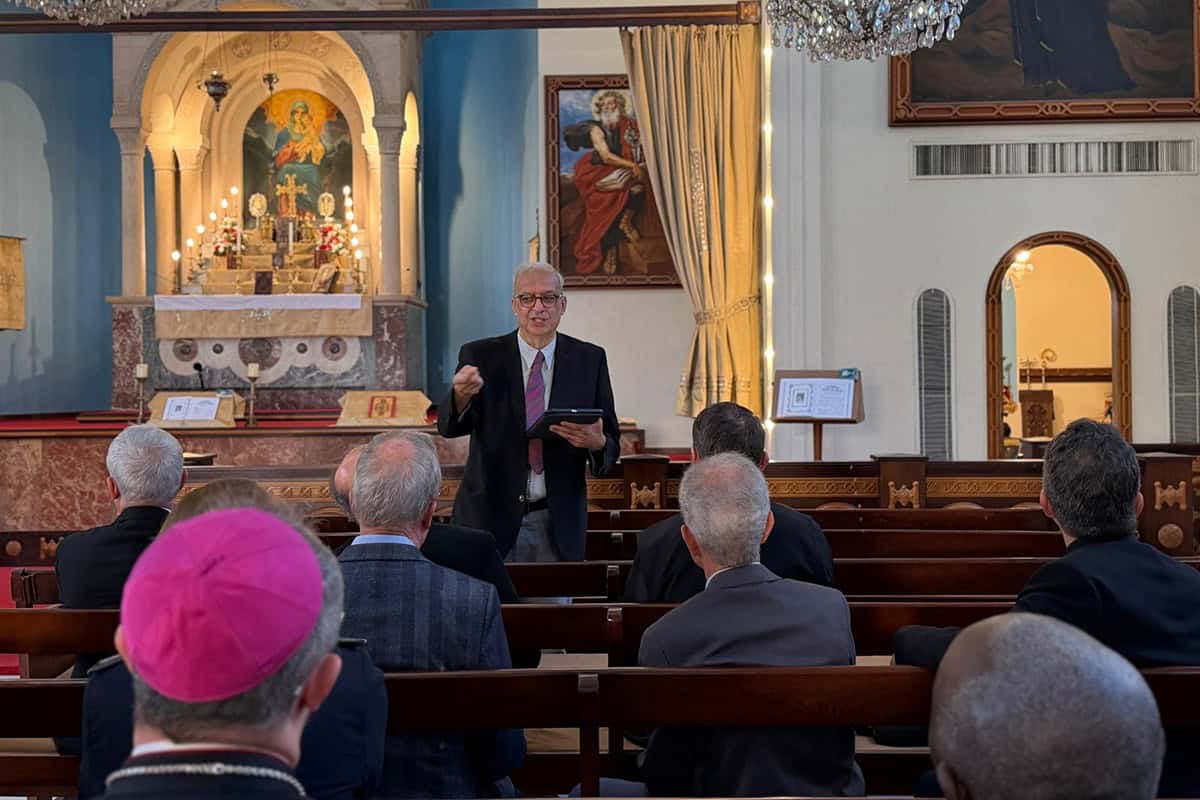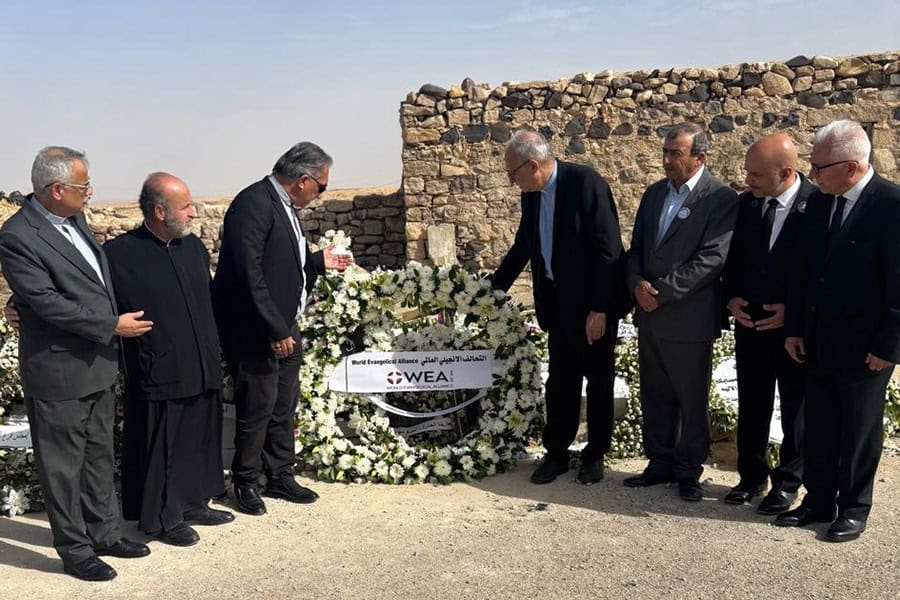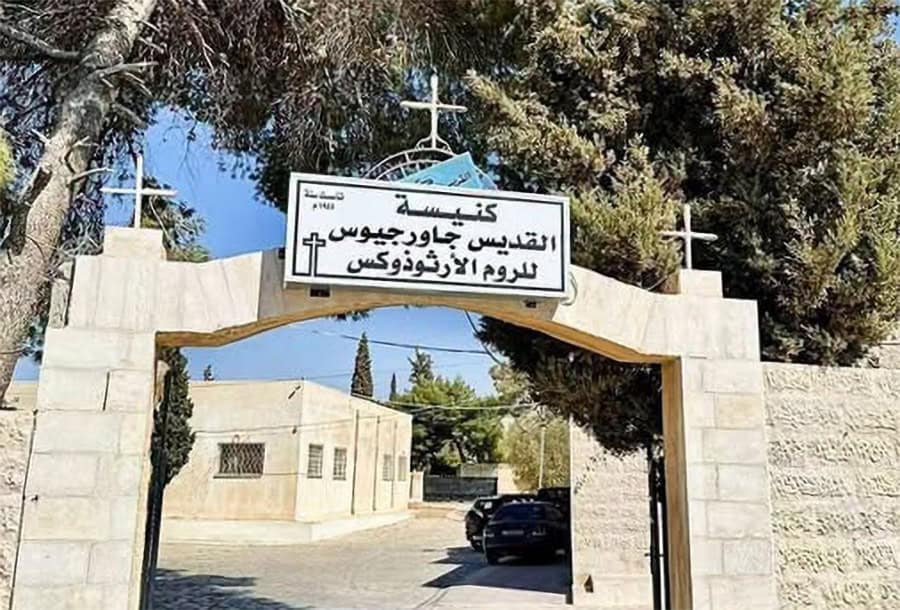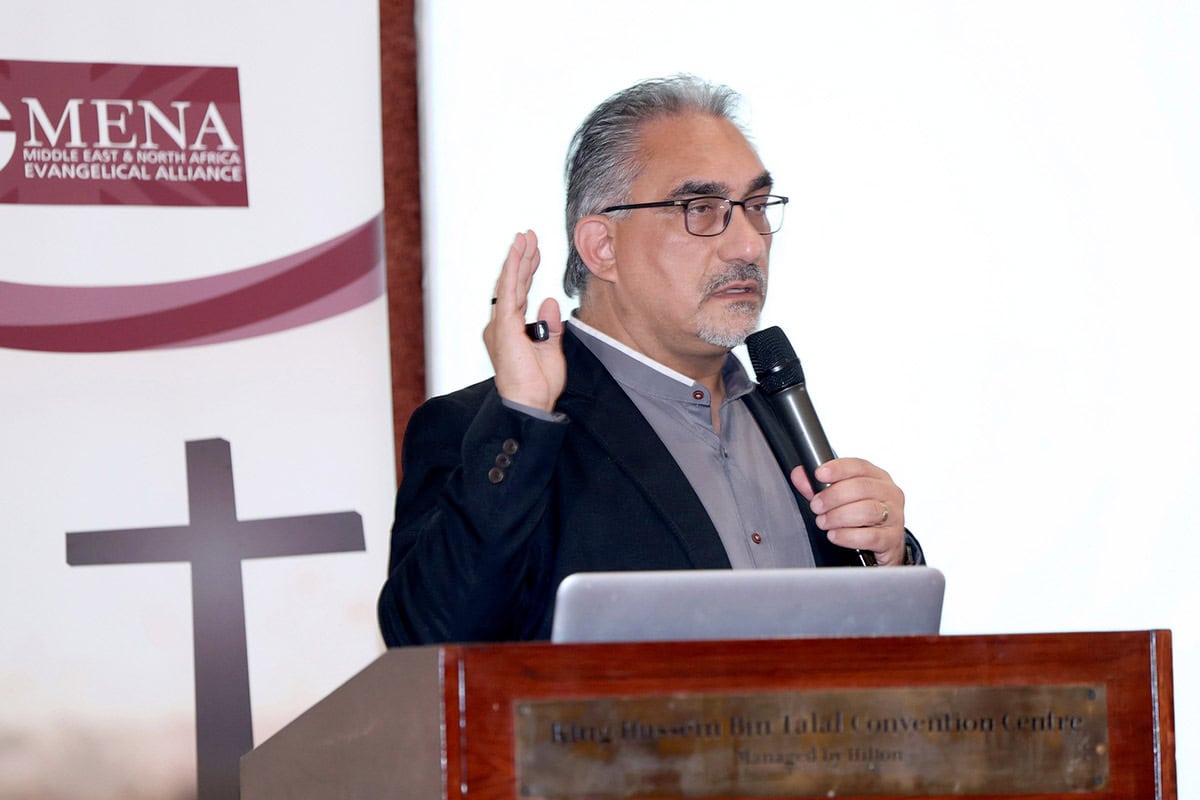
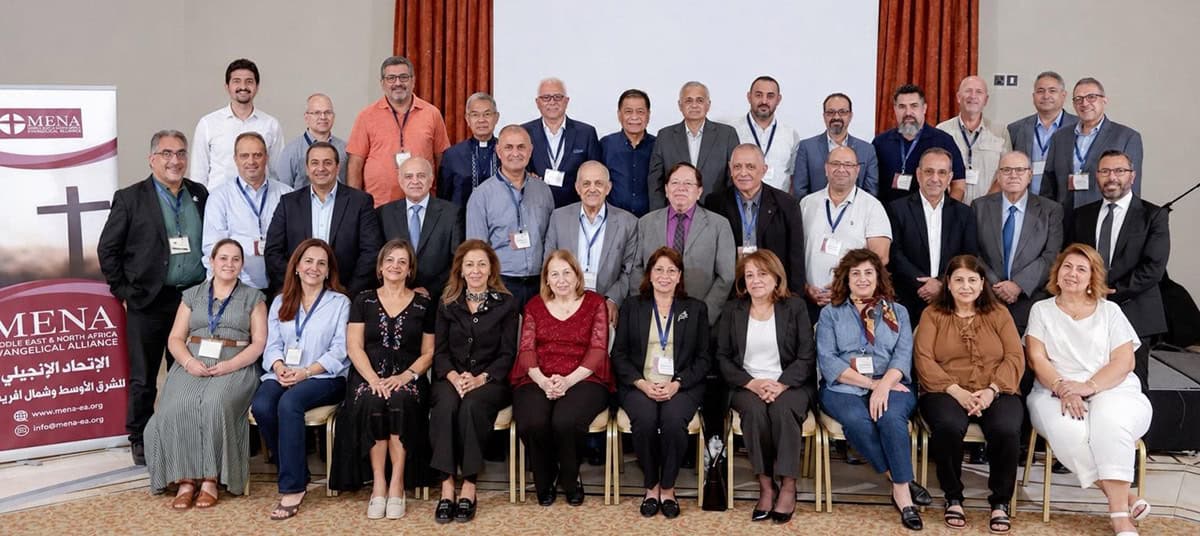
Evangelical leaders from across the Middle East and North Africa met at the Dead Sea in Jordan on 4–6 November 2026 for the General Assembly of the Middle East and North Africa Evangelical Alliance (MENA EA), the regional alliance of the World Evangelical Alliance (WEA). The assembly focused on strengthening cooperation among evangelical churches that face growing pressure in many countries.
Across the sessions, delegates returned to four themes: freedom of worship, unity among churches, women’s empowerment, and mission. They framed the regional work as both spiritual and strategic. Participants stressed that collaboration must show in real outcomes for communities, not only in shared statements.
A regional call for freedom of worship
In his opening remarks, Rev. Dr. Jack Sara, General Secretary of MENA EA, focused the meeting on freedom of worship for all people. He said the alliance exists to support believers and communities who advocate for that freedom in every nation across the region.
Sara also described how regional cooperation has deepened over time, recalling partnership work that began around 2016 and has since expanded. He pointed to practical examples, such as a clinic built with help from contributors in several countries, as evidence that unity can bring lasting, measurable benefits.
He said participants met with community leaders throughout the assembly to find ways to strengthen cooperation among churches in the region and beyond, including by connecting communities through shared engagement and mission.
A central question ran through the discussions: where is the Church today, and how can God renew it? Leaders expressed concern that declining Christian numbers could affect the future of the Church in the region by 2030.
Reports from across the region
Qatar: a worship center for the nations
Bishop Beda Robles, President of the Evangelical Churches Alliance Qatar, spoke about unity and a vision for a worship center intended for the “nations.” He said the alliance includes 136 churches that meet in different locations and pray in many languages, including Arabic.
Robles reported that about 18 dunams (around 1.8 hectares) of land have been provided for the worship center and that construction has begun. Delegates said the alliance hopes to open the center around April 2028.
Fundraising is a key focus: the alliance needs to raise about 80 million Qatari riyals (about $22 million). Participants also said a government partnership is expected to last three years, while support after that remains uncertain.
Kurdistan: a council across four governorates
Rev. Firas Goga, Head of the Evangelical Churches in Kurdistan, described a council that spans four governorates in the Kurdistan Region of Iraq. It includes 30 registered churches and 22 unregistered churches that remain connected through the network.
Goga estimated community involvement at between 2,000 and 3,500 people. He said migration shapes the council’s strategy, noting that about 95% of Christians have emigrated from Iraq. The council therefore focuses on sustaining local worship through separate physical locations and small projects that strengthen congregations on the ground.
He also thanked Jordanian evangelists, including Victor Hashweh, for their support.
Palestine: unemployment and the goal of full recognition
Rev. Nihad Salman, President of the Council of Local Evangelical Churches in the Holy Land, and his wife, Salwa, described both spiritual strain and daily hardship. They said Christians make up about 1% of the population of the West Bank, largely because of emigration driven by political pressure, the effects of conflict, and economic hardship.
They reported that around 70% of church members are unemployed. Delegates also pointed to ongoing barriers to participation and stability, including restrictions and misunderstandings in the wider community.
According to their report, the council brings together 10 evangelical churches and 9 para-church organizations and has partial recognition. Its aim is full recognition. The council, elected in June 2025, listed its priorities as:
- improving relations with the government
- strengthening unity with other churches
- expanding its networks
- engaging with the media
Israel: violence, war, and a 20th anniversary
Rev. Butros Ghrayeb, Chairman of the Council of the Convention of Evangelical Churches in Israel, said the convention includes 33 evangelical churches and 17 para-church organizations. He described severe pressures on the community, including the killing of about 200 young people in drug- and crime-related violence in 2025.
Ghrayeb also spoke of the hardship of the intense strike phase of the war with Iran, including the struggles faced in Haifa. He said churches supported affected families throughout the conflict. He noted that preparations are underway for the convention’s 20th anniversary celebration, planned for 5 December 2026 in Nazareth.
Sudan and other countries
A speaker from Sudan explained how the internal violence in the country is affecting the work of the evangelical church. Representatives of several other Middle East and North African countries also presented reports.
Women’s empowerment: a calling, not a performance
Women’s empowerment was a recurring theme throughout the assembly. Sara said women serve faithfully, often in ways that go unseen. He expressed hope that the meeting would open new opportunities for partnership and collaboration, working side by side with women in churches, in institutions, and among students.
In a featured presentation, Nisreen Hawatmeh, Founder and Managing Director of SANADAK Orphan Ministry, described women’s calling as divine — a purpose entrusted by God, not a matter of performance or reputation. She warned against serving “to show off,” and urged believers to focus on God’s work among His people.
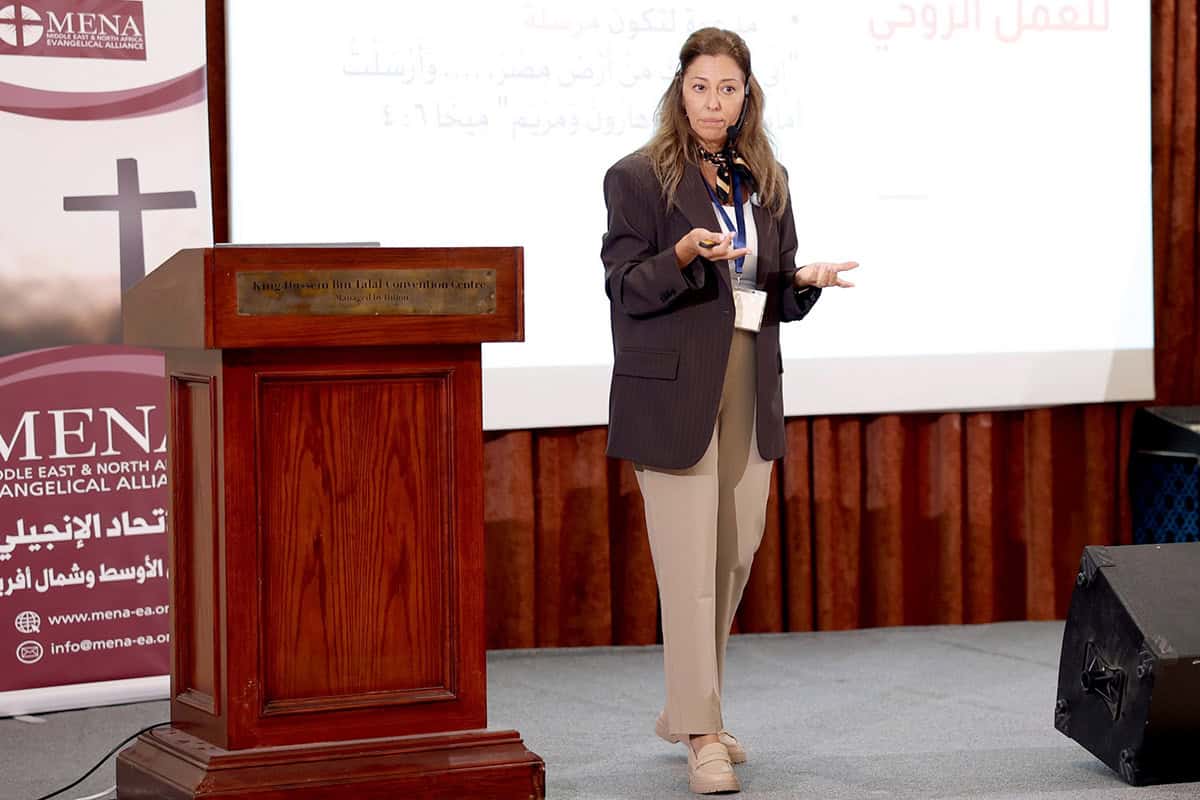
Drawing on biblical examples such as Deborah, she spoke about prophetic calling and leadership, including the call to evangelism and witness. In an interactive segment that followed, participants discussed obstacles to women’s participation. Their responses pointed to the church itself, to men, and to wider social factors.
CALL33: answering God’s calling together toward 2033
On the final day, Bishop Efraim Tendero, former Secretary General of WEA and Executive Director of the Galilean Movement, led a session on CALL33: Answering God’s Calling Together Toward 2033. He presented CALL33 as a movement to guide the Church’s mission in the third millennium, connected to the Year of the Great Commission.
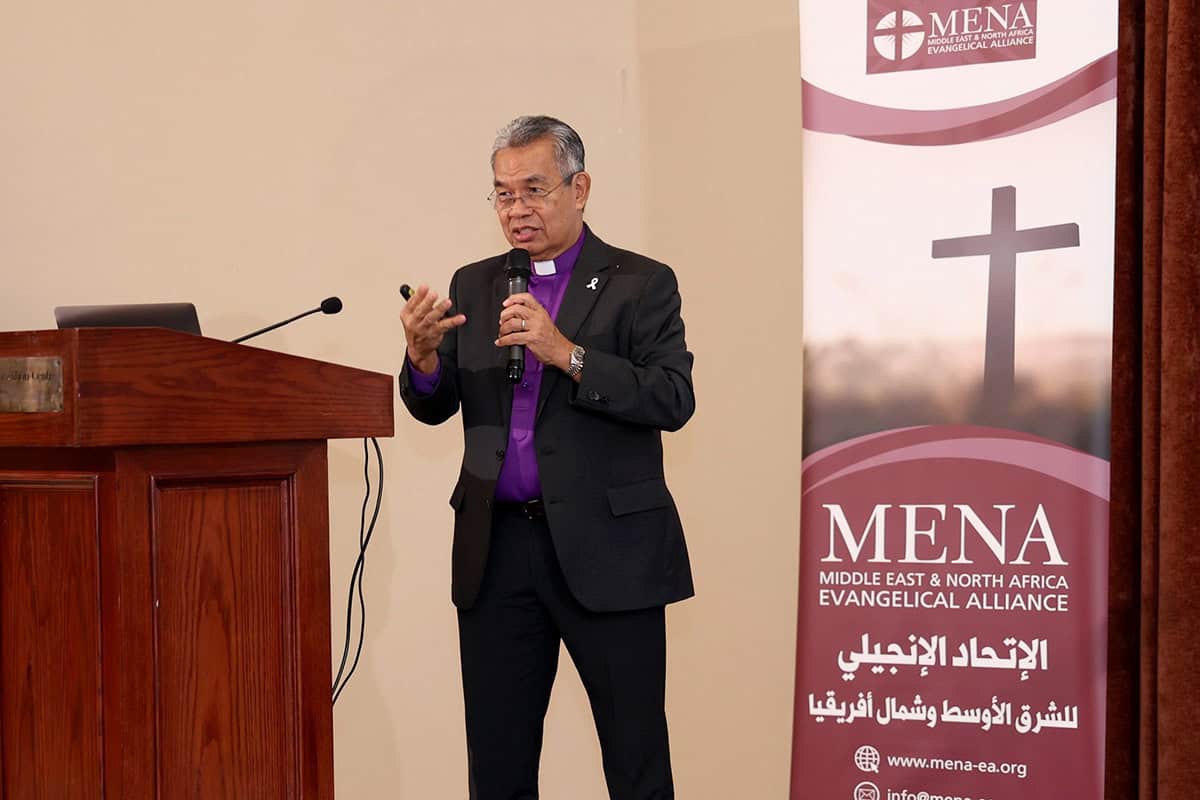
Tendero urged participants to move from discernment to global collaboration, with an emphasis on disciple-making movements across the nations. He described the vision of the Galilean Movement, which is inspired by Jesus: Christlike harvest workers in every place.
He also reinforced the assembly’s recurring themes: faithfulness amid difficulty, unity across differences, and renewed mission in the years ahead.