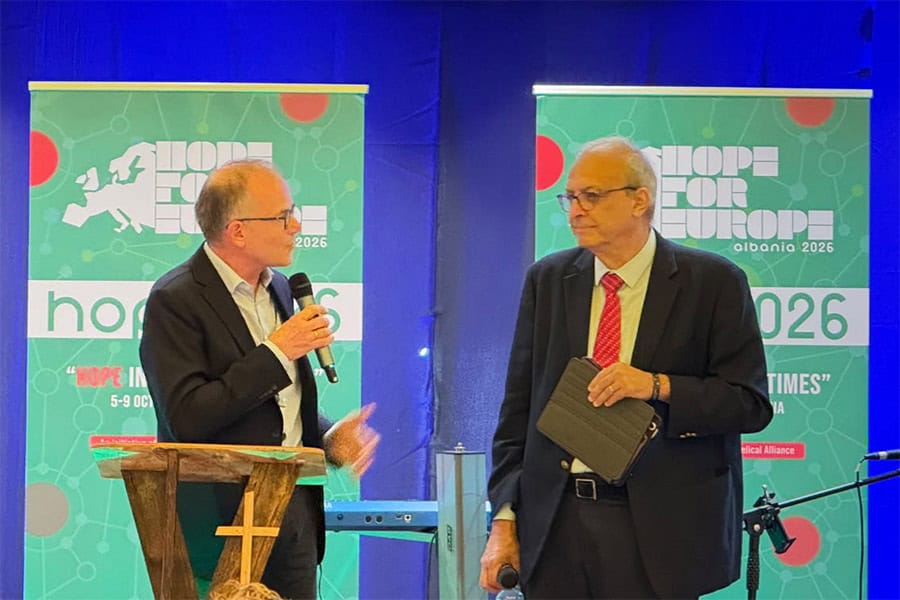
Parents have more influence on their children’s beliefs than many of them think, according to research presented at Hope for Europe 2026. Yet many parents feel unsure how to use that influence, especially when it comes to faith.
That gap ran through the gathering’s sessions on family and children. Speakers and participants said that what a child receives at home and in church shapes how that child faces faith, hardship and questions of belonging.
The European Evangelical Alliance gathering, held 5–9 October 2026 in Golem, Albania, included HOPE Labs on parenting, gender identity and marriage, along with streams organized by the European Disability Network and the Roma Network.
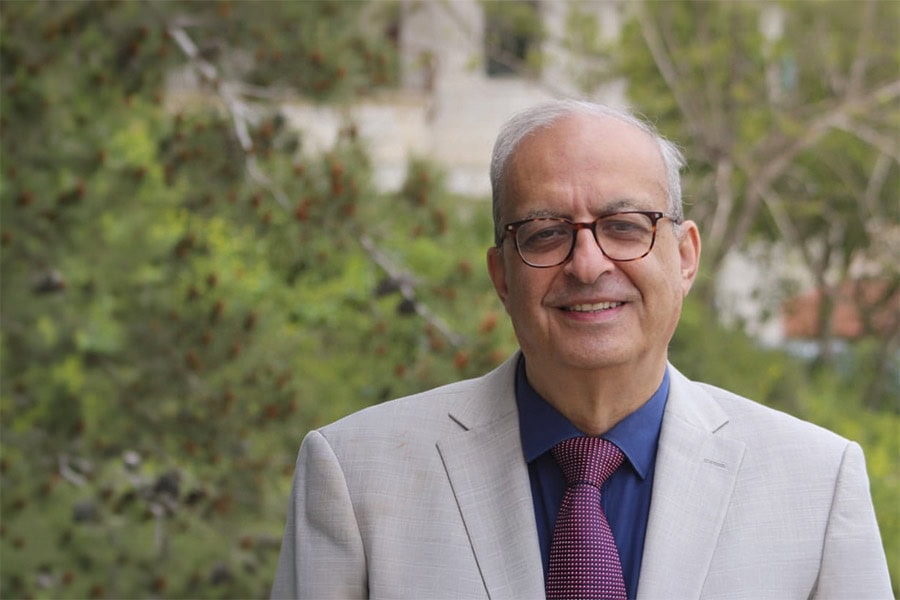
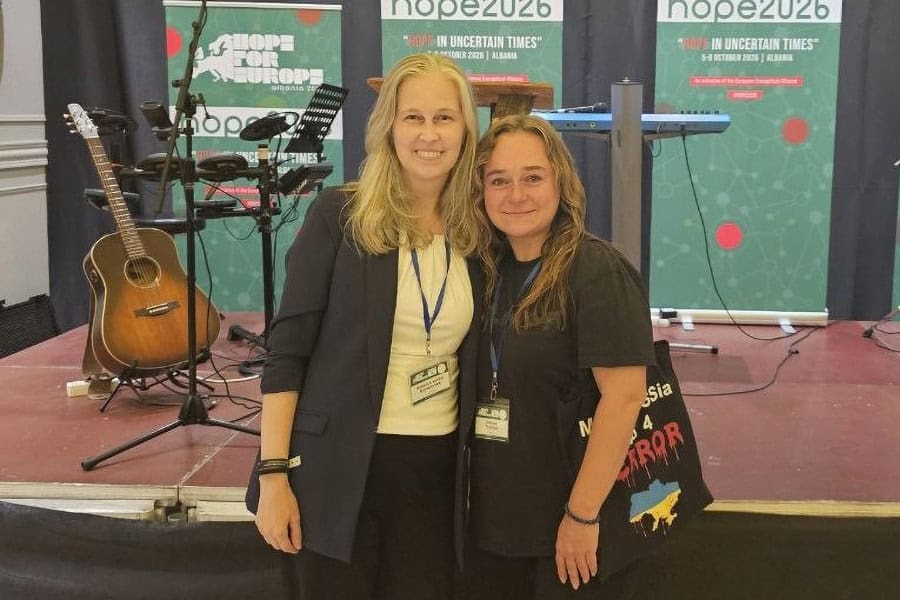
“It was encouraging to see children and families at the center of so many conversations, and to see how God is bringing together people from different countries, churches and ministries who care about the next generation,” said Rev. Dr. Rebecca Goropevsek, Co-Coordinator of the World Evangelical Alliance Children’s Network, who participated in the event.
Parents are still the first voice
Teenagers still look to their families on the biggest questions, the parenting lab heard. Yet their parents often do not know it.
What teenagers say
Jo Haaijer of Reaching Europe’s Children presented findings from OneHope’s Global Youth Culture study, based on responses from 8,394 teenagers in 20 countries. Among young people in the European Union, 53% named family members as their main source of guidance on right and wrong, and 41% on the meaning of life. On gender and sexuality, however, social media and friends had more influence than family.
Faith at home made a clear difference. Among teenagers whose parents read the Bible with them, 67% read it at least weekly. Among those whose parents did not, the figure was 10%.
What parents believe
A separate survey of 2,051 parents found that only 30% believed they had a great deal of influence in their child’s life. Two-thirds said they were primarily responsible for their children’s faith development, but only 24% felt they were in a good place in faith-related conversations with their children, and 25% said their child was currently learning about Jesus at home.
Gender identity: “Remain their parent”
In a second lab, Haaijer turned to a question many parents feel unprepared for: gender identity. She asked participants to imagine a couple telling a church leader that their 14-year-old daughter believes she is a boy.
Holding a position on the subject is relatively easy, Haaijer said. It becomes much harder “when the question has a name and face.”
Her approach begins with the authority of Scripture, she said, citing Genesis 1:27 and Psalm 139. Every person carries the image of God, and churches can take a young person’s distress seriously “without automatically accepting every interpretation of that experience.”
She urged leaders to help frightened parents slow down. “Their first responsibility is not to win an argument. Their first responsibility is to remain their parent,” she said.
Haaijer proposed four first steps: thank the child for being open, reassure them that nothing they have said changes your love, ask why they feel this way, and invite them to surrender their desires to Jesus.
A statement such as “I don’t feel like a girl” could have different meanings, from distress over puberty to feeling out of place among peers, she said. Parents should seek to understand what their child is experiencing before responding.
That surrender is not asked of the young person alone, Haaijer said. Parents may also need to surrender their fear, their desire to control the outcome and the urge to fix everything in one night. Such responses do not require parents to abandon their Christian convictions, she said, but can help keep the relationship and conversation open.
The church, she added, should be a place “where a boy can be gentle, artistic and emotional” and a girl “strong, ambitious and adventurous” without anyone doubting who they are.
If young people cannot raise difficult questions at home or at church, Haaijer warned, “the questions do not disappear. They simply move somewhere else.”
She left participants with a question: “If a young person in your church was wrestling with their gender identity tonight, who would they talk to tomorrow?”
Children with disabilities: from hidden to welcomed
For children with disabilities, family can be their strongest support or the place where they are hidden, participants in the European Disability Network stream said. The stream was led by Martina Köninger of PerspektivForum Behinderung, a working group of the German Evangelical Alliance.
The difference a family makes
Some families hide children out of shame, participants said, and in some cultures disability is seen as a sign that a child is cursed. A participant working in Albania said some young people arrive at her center at age 20 or 22 without having learned to read or write.
A woman from Zambia who was paralyzed by polio at age 7 credited her parents with refusing to hide her. Her father carried her on his back by bicycle to a school 10 kilometers away.
“I can receive rejection from the outward, but because there’s so much already love and acceptance within me, it does not put out my steam as much as if I was rejected from my family,” she said. She now encourages parents across Africa and Europe to send children with disabilities to school.
The difference a church makes
Churches have a role, too. A participant from Ukraine said her ministry served about 200 families of children and young adults with disabilities before Russia’s full-scale invasion, after which many volunteers left. The ministry began inviting mothers to the church’s women’s gatherings and now encourages whole families to attend Sunday services. About 10 children with disabilities have attended in recent weeks, she said.
She urges congregations not to be afraid when a child makes noise or moves around during a service, but to approach the parents and learn how best to interact with the child.
Another participant described a boy who was turned away from serving on the worship and welcome teams. He then began dancing in front of the stage every Sunday and greeting people at the door. Several families joined the church because of him, she said.
Roma families: “They need encounter”
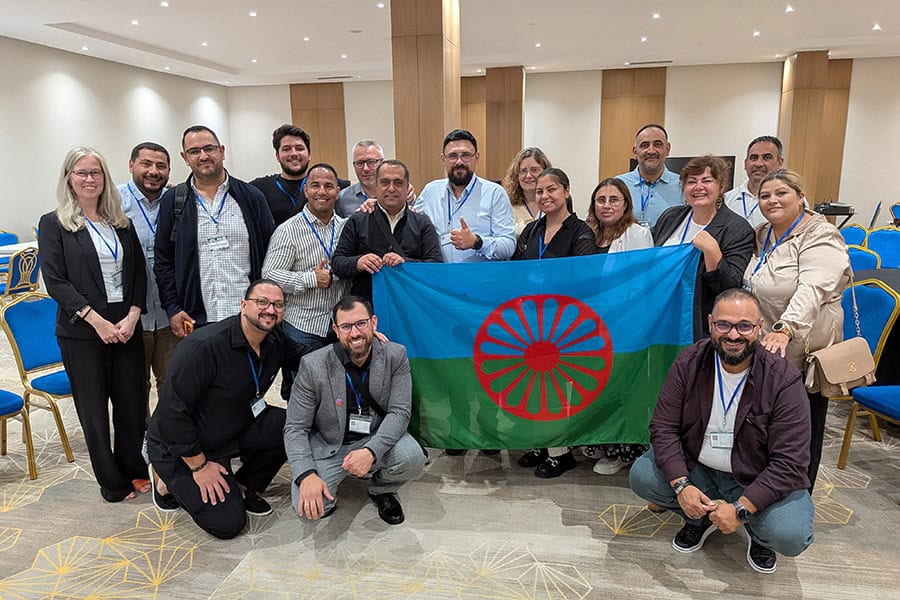
Speakers in the Roma Network stream, led by network chair Nina Jankucic, said the emphasis Roma culture places on family can be “a tremendous strength for our churches.”
A Roma pastor from Bulgaria who leads a family ministry with his wife said parenting is “not only about loving your children, but growing for your children.” Fathers are often the hardest to reach, he said, “but when you get the father, you have the whole family.” The ministry began with one family six years ago and now includes more than 60.
A youth leader said young people look for meaning on social media and the internet, but “they don’t need information, they need encounter.” When she and her husband asked their youth group why they stayed in church, she said, the answer was: “Because we see you … and we want to do what you do.”
“We don’t need another free pizza night or another movie night,” she said. Young people need leaders who live out what they teach.
Marriages children can see
Many young people have never seen a healthy marriage up close, participants in the marriage lab said.
A Norwegian woman who has lived in Albania said young couples in her church tell her, “We don’t want to be like our parents.”
“But that’s the only example they have,” she said.
Rachelle Neal, who serves with Greater Europe Mission in Germany, said many people have no role model of a godly marriage around them. She recalled students at a school she and her husband ran in North Macedonia telling them, “I’ve never seen a couple be able to work together the way that you are.”
Neal also cited research indicating that couples who pray together, share a theological framework and remain accountable within a church community divorce less often. Such couples, she said, are “creating a family culture” that lasts.
Participants suggested mentoring across generations and opening homes to younger couples. When established couples do this, one participant said, younger couples “see, they taste, they hear the kids running around” and “hear the stories.”
Learning from one another
Looking back on the event, Goropevsek said, “The week in Golem showed how much can be learned when people who serve children in each of those places listen to one another. I look forward to seeing where these conversations lead and to the opportunities for collaboration they may open.”
About Rebecca Goropevsek
Rev. Dr. Rebecca Goropevsek has served as Coordinator of the WEA Children’s Network since 2020. She previously held several other roles at WEA, including Representative to the United Nations in New York. She also serves on the Global Leadership Council of World Without Orphans and has been involved with a Christian K–12 school and a Christian teen ministry. As part of her Doctor of Ministry, she created a handbook for pastors to counsel couples with infertility and guide them to consider adoption. Born in Slovakia, she lived for several years in Austria and Switzerland and now lives in the United States, just north of New York City.