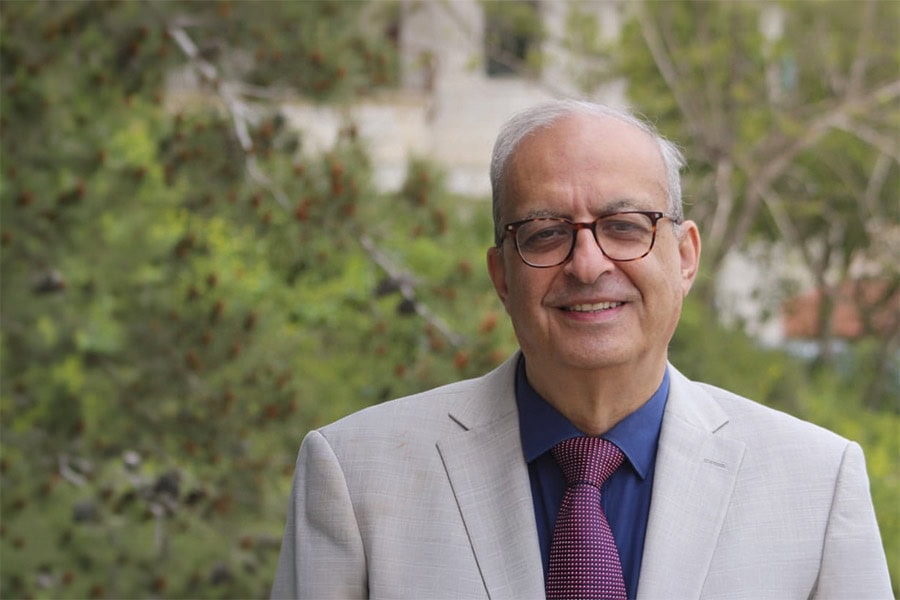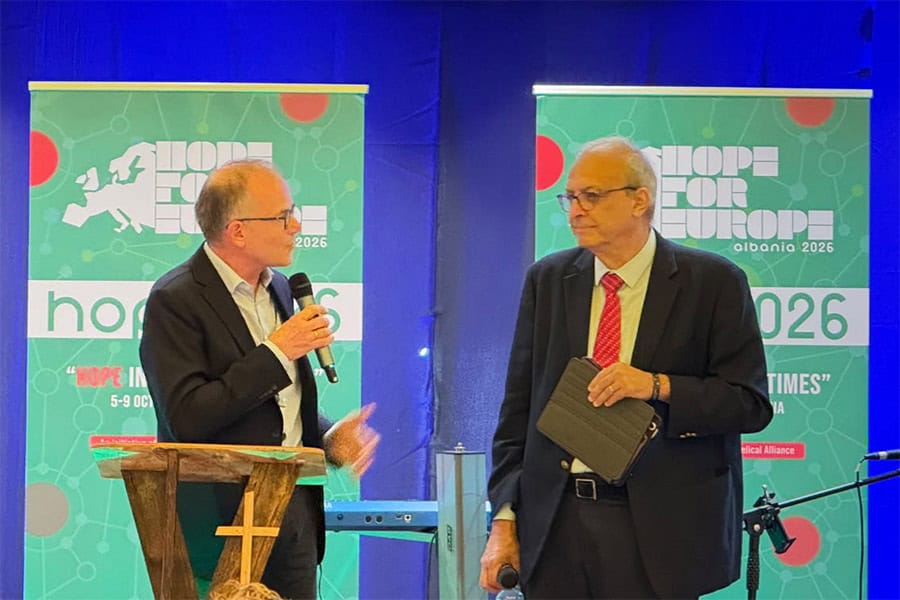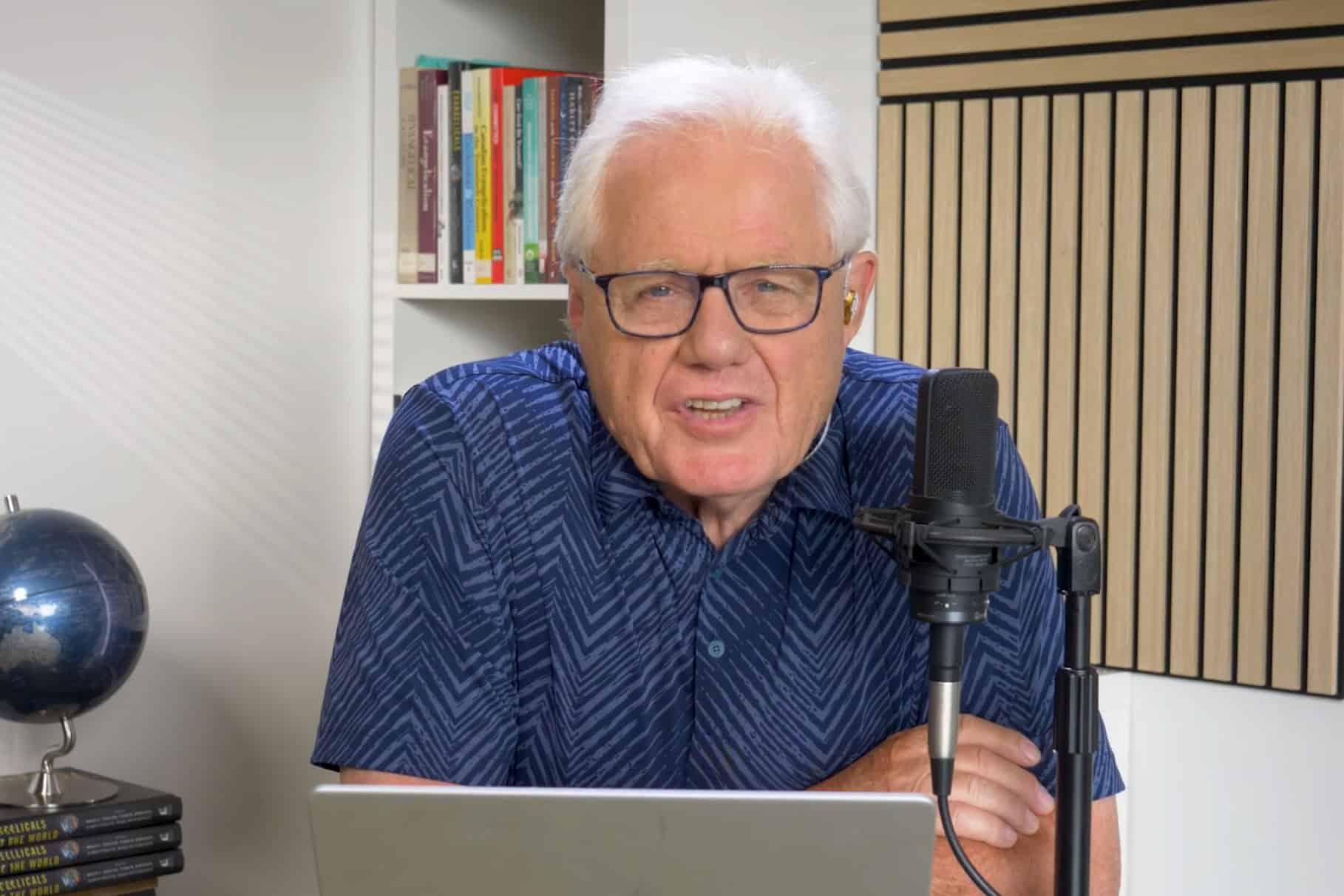
Este é o discurso proferido pelo Dr. Brian Stiller, Embaixador Global da Aliança Evangélica Mundial, no webinar de comemoração do 180º aniversário da WEA. Assista à palestra de Brian no YouTube..
A celebração de hoje dos 180 anos da Aliança Evangélica Mundial é fruto da visão, das orações e da iniciativa de líderes evangélicos de quase dois séculos atrás. Líderes de igrejas protestantes de toda a Europa e América do Norte reuniram-se em Londres em 1846 e formaram a Aliança Evangélica. Um século depois, a Aliança Evangélica, renomeada como Fraternidade Evangélica Mundial, foi renovada e uma nova era começou quase simultaneamente à formação do Conselho Mundial de Igrejas.
Minha jornada com a Aliança
Minha própria trajetória com a WEA começou em 1983, quando assumi a liderança de nossa aliança canadense, a Aliança Evangélica do Canadá. Na época, eu fazia parte da diretoria do Comitê de Lausanne, e Leighton Ford me convidou para liderar uma Conferência de Jovens Líderes em Singapura, em 1987. Mas meus amigos e colegas internacionais sabiam, assim como eu, que o verdadeiro lugar para uma afiliação global legítima era com a Aliança. Envolvi-me com David Howard e Jun Vencer, e ao longo das últimas décadas minha vida tem estado entrelaçada com essa organização global.
Permitam-me voltar um pouco atrás. Minha vida começou em meio à Segunda Guerra Mundial, quando nasci no lar de um pastor das pradarias canadenses. Quando cursei meu primeiro ano de faculdade, em 1960, a comunidade evangélica era estimada em cerca de 90 milhões de pessoas no mundo todo. Em poucas décadas, esse número cresceu para mais de 650 milhões. E permitam-me acrescentar um parêntese aqui. Todd Johnson, do Centro para o Estudo do Cristianismo Global, afirmou que esse número está, na verdade, mais próximo de um bilhão, já que a maioria das igrejas protestantes no Sul Global são inegavelmente evangélicas.
Após liderar a aliança canadense e, em seguida, a Universidade Tyndale, fui nomeado Embaixador Global da WEA. Viajei para dezenas de países e, em todos os lugares que visitei, as pessoas me perguntavam: O que está acontecendo globalmente? O que você está vendo? País após país, fiquei impressionado tanto com a profundidade do compromisso com o evangelho entre os cristãos quanto, na maioria dos países, com a explosão de plantação de igrejas e conversões. E assim, decidi descobrir os elementos essenciais que fizeram com que esse crescimento superasse qualquer outra religião ou época da nossa história.
Um movimento de independentes
A natureza dos evangélicos é a independência. Somos independentes das estruturas eclesiásticas e, quando nos parece certo, formamos outra denominação ou outra rede de igrejas independentes. Seguindo esse padrão, nossa comunidade se inclinou para o desenvolvimento de ministérios paraeclesiásticos. Por exemplo, participei do Jovens para Cristo, um ministério para jovens fundado por Billy Graham. Todos conhecemos a Visão Mundial, o ministério fundado por Bob Pierce. Ministérios paraeclesiásticos, redes independentes e denominações não afiliadas: essas são as características dos evangélicos.
Alianças nacionais: companheirismo e voz.
Mas eis o que me surpreendeu. Alianças nacionais surgiram por toda parte. Veja bem, quando nossa aliança global estava sendo reformulada em 1947, ela era composta por algumas alianças nacionais, mas principalmente por conferências e declarações sobre teologia e questões que enfrentávamos. Então, um país de cada vez, alianças nacionais começaram a aparecer. Em 1942, a Associação Nacional de Evangélicos nos EUA. Em 1951, a Aliança Evangélica da Índia. E no meu país, em 1966, a Aliança Evangélica do Canadá.
Não havia estratégia. Ninguém foi designado para iniciar esses encontros. Mas, país após país, à medida que a igreja evangélica e seu testemunho cresciam, os líderes religiosos reconheciam a necessidade de comunhão. Novas igrejas, denominações antigas, ministérios paraeclesiásticos: todos sabiam que compartilhavam um profundo compromisso com Jesus Cristo como o único Salvador do mundo. Essa comunhão era irresistível. Ela permitia que as pessoas deixassem de lado suas diferenças e se unissem para formar essas alianças nacionais.
Mas eles também reconheceram que precisavam de uma voz. Precisavam falar sobre assuntos que lhes eram importantes. E em muitos países havia questões específicas relacionadas à sua geografia, composição cultural, padrões climáticos e necessidades físicas.
O que temos hoje é a maior rede de cristãos evangélicos do mundo, com alianças nacionais iniciadas e administradas pelo povo de cada país. Liderança indígena, como a chamamos. Não há um grande plano de algum país, agência, denominação ou movimento. Cada país decide o que fará, sua agenda e sua liderança.
Um centro de gravidade em movimento
Hoje, os evangélicos representam aproximadamente um quarto dos 2,5 bilhões de cristãos no mundo. Um crescimento extraordinário ocorreu na África Subsaariana, na América Latina, na Coreia do Sul, na China e, de forma mais ampla, no mundo em desenvolvimento, à medida que o centro de gravidade do mundo evangélico se deslocou. Quem ainda imagina o evangelicalismo como um fenômeno exclusivamente branco e norte-americano está olhando para um mapa defasado em décadas.
Tenho testemunhado essa transformação. A igreja que encontro hoje canta em línguas que os fundadores em Londres jamais ouviram, realiza cultos em formas que eles não reconheceriam, mas carrega consigo as mesmas convicções que aqueles fundadores se reuniram para afirmar. Aquilo que eles almejavam, eu vi.
O que nos mantém unidos
No cerne deste vasto e diverso movimento, nossos compromissos fundamentais permanecem os mesmos de sempre. A Bíblia é digna de confiança e detém a suprema autoridade para a fé e a vida (2 Timóteo 3:16). A morte expiatória de Jesus Cristo é a única base para a salvação (Romanos 5:1). Toda pessoa precisa entregar sua vida a Cristo e nascer de novo (João 3:3). E vidas são transformadas pela presença do Espírito Santo e por uma fé ativa no testemunho e na missão ao mundo (Mateus 28:19).
Essas crenças mantêm o movimento unido. São por isso que os fiéis em Nairóbi, São Paulo e Pequim se reconhecem como família, mesmo sem nunca terem se encontrado e sem compartilharem um idioma em comum.
Uma palavra honesta
O evangelicalismo nunca foi um movimento perfeito. Às vezes, foi refém de sua cultura, outras vezes de sua política, e outras ainda das personalidades de seus líderes mais proeminentes. Eu vi isso e não vou fingir o contrário.
Mas também vi homens e mulheres em seu melhor, realizando coisas extraordinárias em silêncio, porque estão convencidos de que o evangelho é verdadeiro e que ele transforma tudo. Missionários aprendendo idiomas em cantos remotos do mundo. Líderes construindo instituições de ensino e misericórdia em lugares onde não existiam. Jovens abandonando carreiras confortáveis para fundar igrejas em bairros urbanos. Trabalhadores humanitários indo para zonas de desastre porque acreditam que toda pessoa carrega a imagem de Deus. Estudantes que, mesmo sujeitos ao ridículo, continuam a falar de sua fé em testemunho público.
Esse é o movimento ao qual dediquei minha vida. E, apesar de suas falhas humanas — e elas são reais —, é um movimento que tem sido vital para a igreja, servindo como um centro gravitacional para os evangélicos.
Um lugar à mesa
A Aliança Evangélica Mundial faz o que nenhuma outra organização no mundo evangélico consegue fazer: fala em nome de todo o movimento evangélico. Isso não é pouca coisa. Na arquitetura da diplomacia global, a representação importa enormemente. Comunidades religiosas que não têm voz reconhecida nas instâncias internacionais ficam de fora das conversas que moldam seu futuro. A WEA dá aos evangélicos um lugar à mesa. Ela interage com organismos internacionais de maneiras que igrejas e denominações individuais simplesmente não conseguem.
Como rede, ela alcança a igreja local em todos os continentes habitados. Não impõe uma agenda ocidental. Ela fornece uma estrutura na qual cristãos de todas as culturas podem encontrar uma causa comum e apoio mútuo. Isso é mais difícil de construir do que parece, e é uma das conquistas genuínas da WEA.
Ao longo das décadas, a WEA tem sido o berço de alguns dos esforços colaborativos mais significativos da história evangélica. Em 1974, quando Billy Graham planejava a conferência de Lausanne, ele recorreu a essa aliança global para auxiliar na reunião de líderes de todo o mundo. A WEA esteve por trás do estabelecimento de estruturas de prestação de contas para universidades e faculdades evangélicas em todo o mundo. Ela criou plataformas para o diálogo teológico que transcendem as fronteiras culturais e denominacionais. Tem sido, no verdadeiro sentido da palavra, uma porta-estandarte da teologia evangélica na esfera pública global.
Por que a WEA é importante agora?
Então, por que a Aliança Evangélica Mundial é importante agora, talvez mais do que em qualquer outro momento de sua história? Porque nenhuma outra organização tem o alcance global e a base teológica evangélica para fazer o que a WEA faz. Ministérios paraeclesiásticos, por mais excelentes que sejam, operam em domínios especializados. Denominações, por maiores que sejam, falam em nome de seus próprios membros. A WEA tem o mandato e a estrutura para falar em nome do cristianismo evangélico como um todo, para reunir as vozes de crentes de muitas nações e trazê-las para um engajamento coerente e contínuo com os desafios e as oportunidades deste momento histórico.
Quando os fundadores da Aliança Evangélica escolheram se unir em uma época de divisão, em 1846, eles não poderiam imaginar o que a WEA é hoje. Mas tudo o que aconteceu nos últimos 180 anos se baseia naquela decisão original de trabalhar juntos como um só corpo de Cristo. E assim, em seu 180º aniversário, dou graças ao Senhor por plantar em nossos corações o amor e o desejo de comunhão e de coordenar estratégias para louvar nosso Senhor ressuscitado e fortalecer a sua igreja.
Assista à celebração do 180º aniversário.
Em 1846, cristãos de diversas nações e tradições religiosas reuniram-se em Londres, unidos por um compromisso comum com o Evangelho e uns com os outros. Cento e oitenta anos depois, agradecemos a Deus pela fidelidade a essa visão. Acompanhe a celebração e ouça as histórias daqueles que compartilham essa jornada conosco.
- Celebração do 180º aniversário da WEA — Uma história
- Celebração do 180º Aniversário da WEA — Uma Visão Geral do Ministério da WEA
- Comemoração do 180º aniversário da WEA — Perspectivas dos parceiros
- Celebração do 180º aniversário da WEA — Gravação do webinar
- De Londres em 1846 a uma família global: Brian Stiller reflete sobre os 180 anos da WEA.