Reflecting on the realities, pressures, and future of pastoral leadership in a changing world
Every October, Pastor Appreciation Month gives the global body of Christ a vital opportunity to pause and honor those who shepherd our communities. Yet, honoring pastors requires more than just kind words. It demands an honest look at the complex, demanding reality of pastoral ministry today.
Barna research (2022) underscores the weight of this calling. The research showed that a majority of pastors face chronic stress, with over 40% of church leaders having seriously considered leaving full-time ministry due to burnout, isolation, and political or social division within their congregations. Furthermore, the boundaries between public ministry and private life have blurred, leaving many pastors and their families feeling vulnerable to unrealistic expectations. Outside the church walls, pastors must navigate secularizing cultures, economic instability, and rising polarization, while inside, they carry the deep emotional weight of their flock’s grief, trauma, and spiritual growth.
To explore this universe, we invited three pastors serving in diverse cultural contexts around the world to share their lived experiences, challenges, and hopes for the Church today.
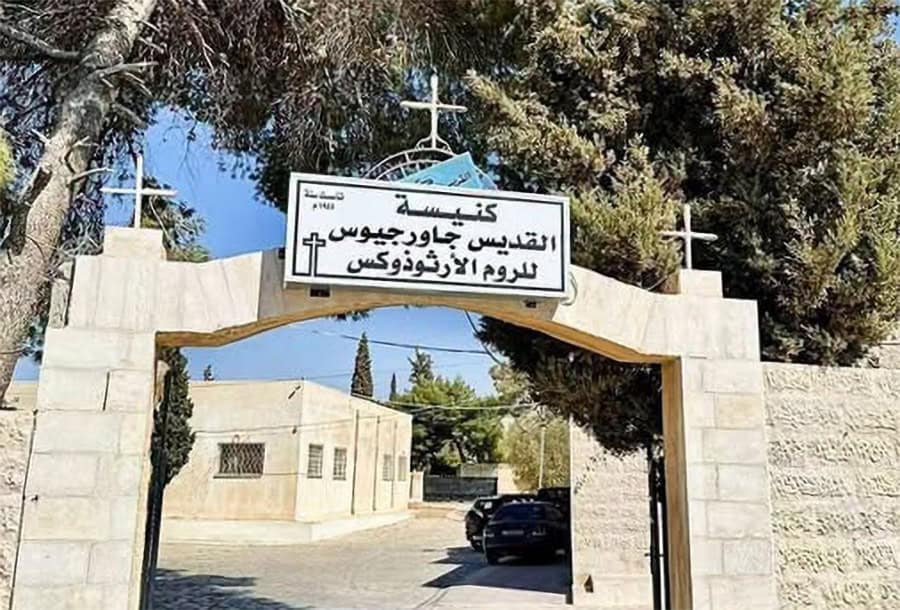
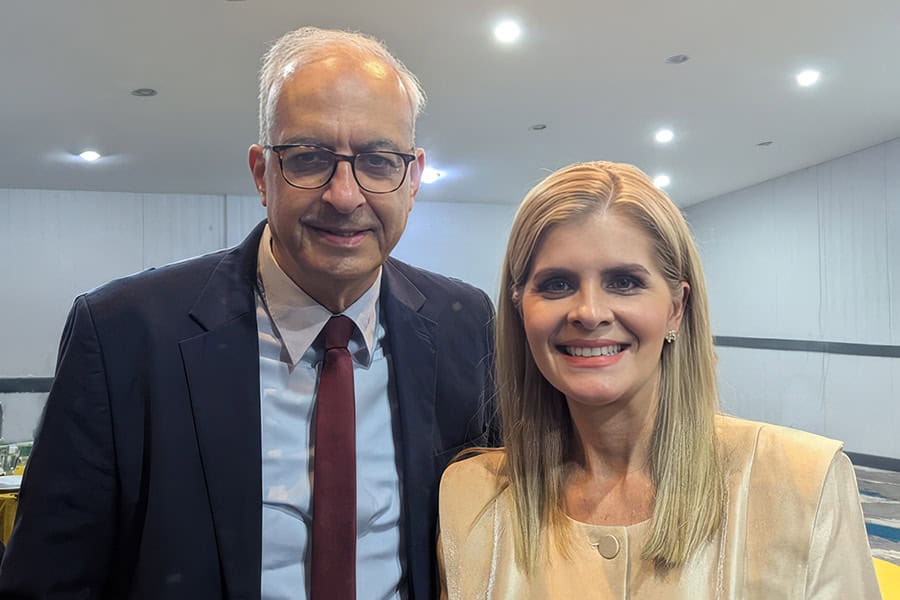
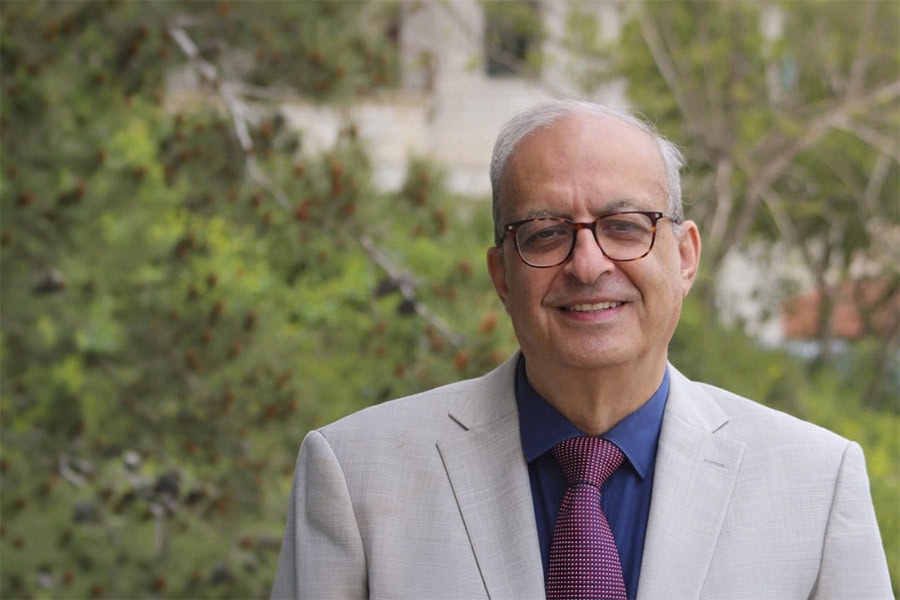
Shadi Bqa’en of Jordan has worked with inmates in the country’s correctional system since 2004. In addition to decades of pastoral ministry, he now serves as executive director of the Jordanian Evangelical Prison Ministry (JEPM). Berto Kado serves as a BI vocational pastor in Nairobi, Kenya. She also serves as executive secretary to the general secretary of the Association of Evangelicals in Africa (AEA). Igor Miguel is a Brazilian pastor at Igreja Esperança, a non-denominational Reformed church in Belo Horizonte. He holds bachelor’s degrees in Theology and Education, a master’s degree in Hebrew, and is currently a PhD candidate in Education.
Culture, technology, and society have shifted dramatically in recent years. How would you describe what it means to be a pastor today compared to when you first entered ministry?
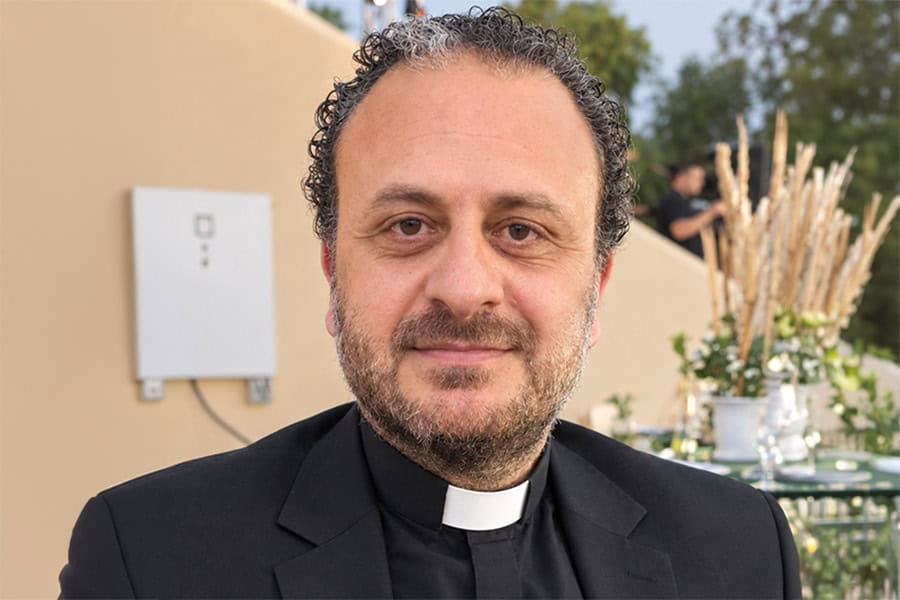
Shadi Bqa’en (SB): Today, access to information is remarkably easy thanks to technological advancements and artificial intelligence. Anyone can search for information and find answers to almost any question. Things were very different when I first began in ministry. People wanted to spend time with me as their pastor, to sit together, talk, and share what was happening in their lives.

Berto Kado (BK): I began ministry in 2020, so the landscape was already changing dramatically as I entered it. In some ways, that helped me become adaptable. We relied heavily on technology to sustain connection, teaching, and community. Today, with digital fatigue, we are learning how to connect meaningfully in person again and find a balance that centers people. Technology remains valuable, but we need to be intentional about nurturing human connection and tangible discipleship through shared life, presence, and relationships.
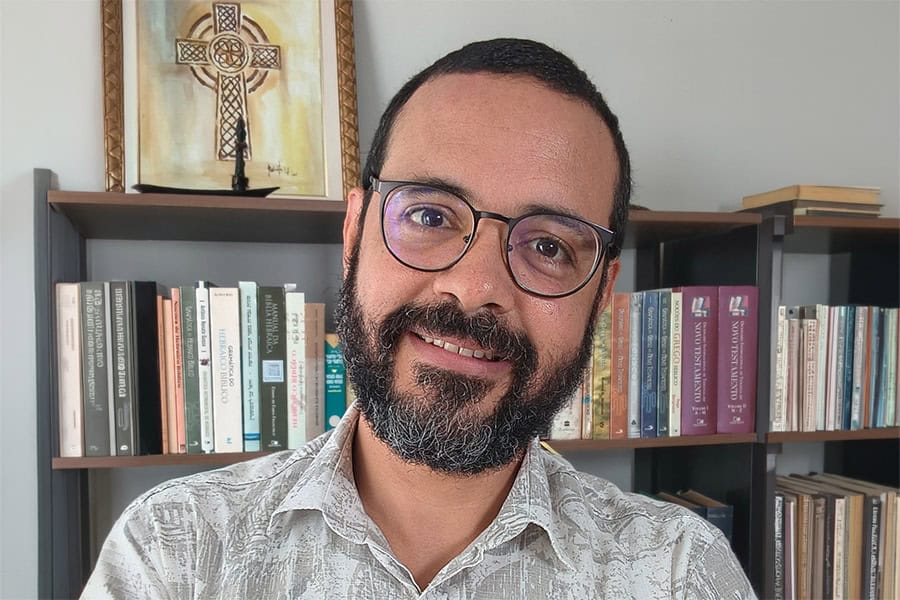
Igor Miguel (IM): Today, broad familiarity with the Bible and a solid command of theological and pastoral subjects are not enough. More than ever, pastors need to develop what we might call the capacity for “cultural exegesis.” Because much pastoral work takes place in large urban centers, we minister to people who may be better informed but also deeply misinformed. Widespread connectivity and the constant flow of information through new media can inform, but they can also misinform. At the same time, we have better tools to identify the real questions people are asking and, therefore, to communicate the gospel’s relevance in addressing them.
Congregations often include diverse generations with very different expectations and worldviews. How do you navigate pastoring a community with such varied needs and perspectives?
SB: By God’s grace, He has entrusted me with a remarkably diverse congregation, representing more than 15 nationalities from around the world. A pastor needs to seek heavenly wisdom daily and continually depend on God’s grace, both in His sight and in the eyes of those entrusted to his care. People need to know that they are genuinely loved, regardless of their background, culture, or differences. They need to feel accepted and welcomed, even when they don’t fully understand others’ culture or customs.
BK: One thing I’ve noticed is how quickly we assume we understand another generation before we’ve really listened to them. For me, navigating that starts with getting to know people and creating opportunities to serve, learn, and make decisions together. Every generation has something to offer and something to learn.
IM: I try to stay informed. Ongoing reading is part of what I consider normal and necessary for a pastor. I read relevant classics, but I also seek out Christian and non-Christian authors who offer meaningful insight into current generations.In that regard, I am particularly interested in social psychology, studies of society, and the ways political passions and cultural movements emerge or fade. This affects how we worship, teach, and respond thoughtfully to the different questions and cultural perceptions across generations in our church.
Pastors today don’t just care for their congregations; they also navigate social, political, and cultural polarization outside the church doors. How do you lead your church to be a faithful witness without absorbing the division around you?
SB: I believe God calls us to be the salt of the earth and the light of the world. Therefore, our ministry should never be confined within the walls of a church building. As a result, many members of our congregation actively serve and make a difference throughout Jordan’s prison system. Others participate in social outreach, serving women and children in several communities across the country.
I believe the church is called not only to gather for worship, but also to go out into the world, embody the love of Christ, and bring hope, dignity, and practical care to those who need it most.
BK: I think the first step towards unity is understanding who we are and whose we are! Before any political, social, or cultural allegiance, we belong to Christ. I also try to remember that there is a human being behind the opinion that makes me uncomfortable. Being a faithful witness means speaking truthfully about injustice while refusing to dehumanize people. Unity cannot excuse silence when people are suffering, and disagreement cannot give permission to abandon love. There have been many times when I’ve had to ask myself, ‘Do I think this way because I am a Christian, or because I am African, a woman, or young?’ Those experiences shape me, but I also need Scripture to challenge my assumptions. I want to remain open to learning, including from people I’m meant to teach and people I disagree with.
IMI: First, we embrace a clear political theology. We understand that the Reformed tradition has developed an untamable political theology, in the sense that it refuses to be reduced to any political spectrum or secular ideology. We seek to show that different political visions often offer political illusions because they rest on reductionist understandings of human beings and society. Although we hold to a consistent political theology, we do not let our pulpit or the life of the church become an instrument for any candidate. We do not endorse any political party. The pulpit is devoted to one Lord and Ruler alone: Jesus Christ.
Pastoral burnout and loneliness are significant realities in global ministry. How do you guard your own spiritual and mental well-being while continuously pouring into others?
SB: I would not consider myself particularly skilled in this area. However, I am learning to set aside time to rest, step away completely from ministry demands, and allow myself to be refreshed. I am continuing to learn that caring for my own spiritual, emotional, and personal well-being is also an important part of sustaining a faithful and fruitful ministry.
BK: I’m becoming more attentive to my limits because we cannot keep pouring from empty cups. I now actively make room for rest, and I cherish relationships where I can simply be myself without having to lead or have the answers. Perhaps the most important lesson has been practicing spiritual disciplines like reading the bible, fasting, prayer, silence, and solitude outside of ministry engagements. Coaching and therapy have also helped me. I’m learning to receive care and to recognize that seeking support, including professional support, is part of being a responsible steward of the life God has given me.
IM: I try to remember that, before I am a pastor, I am a Christian. My office is not my identity; it is a calling and a task. To carry out that task well, I must cultivate a worshiping heart. In my view, a common trap is for pastors to expect their ultimate fulfillment from ministry. A pastor’s fulfillment comes from the work of Jesus Christ, not from his office. Ironically, when a pastor rests in Christ’s merits, his ministry serves the body of Christ most faithfully.
Reaching and retaining young people is a global challenge for many churches. What are you learning about what the next generation is genuinely searching for in a faith community?
SB: I pray that the Lord will bring into my life those who sense God’s calling on them, so I can encourage, counsel, guide, and support them as they discern and develop their calling. At the same time, I believe that ministry is not sustained by calling alone. Faithfulness in everyday life, a commitment to discipleship, and a willingness to serve over time reveal a person’s readiness to continue serving in God’s Kingdom.
BK: For me, the answer begins with community. In a digital age where we’re constantly connected, many young people still feel lonely, insecure, and unknown. Behind the curated feeds, there are real questions, struggles, and sometimes addictions. Young people want a faith community where they can be known, ask honest questions, and contribute meaningfully. I think we need to go back to basics: Scripture, prayer, fellowship, and practical discipleship, with Christ at the center.
IM: We are a church deeply influenced by Francis Schaeffer’s apologetics and approach to evangelism. We believe that honest questions deserve honest answers. We are not afraid of the questions and concerns young people bring. In fact, we are deeply interested in their concerns, because they challenge us to discern answers in the light of the gospel and to find creative, contextual ways to translate ancient truths for new questions.
The unwritten expectations placed on a pastor’s spouse and family can be heavy. How do you draw healthy boundaries between your ministry calling and your home life?
SB: We have certainly experienced negative, destructive, and unsupportive attitudes, but we have also experienced the complete opposite: genuine encouragement, love, and support. I have always made it clear that concerns or issues related to my calling and ministry must be addressed directly with me, not directed toward my family. God called me first, and I must take responsibility for that calling. I continue to learn how to lead faithfully, establish healthy boundaries, protect my family’s well-being, and respond to difficult situations with wisdom, grace, and a clear sense of responsibility before God.
BK: I am single, so I would not speak from personal experience as a pastor’s spouse or parent. However, I believe strongly that a ministry calling does not give a congregation unlimited access to someone’s family. Family members need the freedom to grow in their own faith, have their own personalities, and express their gifts without being measured against an unwritten job description. In my own life, I am learning that boundaries require clear communication and the willingness to disappoint people sometimes.
IM: I have no problem declining a phone call when I need to give my attention to one of my children or my wife. I consider myself a present, engaged father in my children’s lives and in my marriage. I take a great interest in what they consume and read, and I try to recommend good books. We intentionally curate spiritual and intellectual influences in our home. We are not perfect, and we face the typical challenges of raising teenagers and preteens, which is our present season of life. Still, we believe our children see integrity in the way we love and worship God. Our Christianity is rich, and our home reflects that: good music, plenty of art, beauty, good films, good books, and good food. All of this shows that we can live as Christians while appreciating ordinary life and recognizing God’s smile in ordinary things.
As a pastor serving in your specific national and cultural context, what is one unique challenge, or unique strength, of the Church in your region that the global Church could learn from?
SB: One of our congregation’s most important values is accepting people from different ethnic, cultural, religious, and faith backgrounds. As the Body of Christ gathers, the church should reflect the diversity of God’s people. We seek to create a community in which there is no distinction between male and female, or between those who are local and those who come from other countries, in terms of their dignity, belonging, and opportunity to serve.
BK: One significant strength of the African Church is its sense of community. In many congregations, people live out their faith through shared responsibility: they show up during bereavement, contribute to school fees, visit the sick, and help carry one another through difficult seasons. There is something deeply valuable in that understanding of belonging.
IM: The evangelical church in Brazil is highly diverse. We are a continental-sized country, and our churches are rich in expression and passion. For us, truth is living and vibrant; it is not merely an abstraction. We strongly resist attempts to secularize Christian theology. In the past, we depended heavily on international resources to participate in global missions. Now, a generation of evangelicals has prospered. I believe the global church could also learn from our cultural flexibility. Brazilians have lived with cultural diversity for centuries. This has taught us resilience and a certain wisdom in navigating different environments and contexts. For Brazilians, it is natural to adapt without surrendering our particular identity. From an early age, we learn to appreciate other groups’ cultural riches.
For Pastor Appreciation Month, what one word of honest encouragement or wisdom would you offer a fellow pastor who might be feeling weary or overwhelmed right now?
SB: Remember the One who called you. Remember the great cloud of witnesses in Hebrews 11, the heroes of faith who trusted God even when they couldn’t see the full picture of what He was doing. Remember that you are loved, and that the Lord still has a clear purpose for your life and desires to use you for His glory. Remember that Jesus Christ is the same yesterday, today, and forever. Your worth isn’t determined by your achievements, others’ approval, or the success of your ministry. Your worth is rooted in Christ.
BK: Jesus also loves and cares for you. Your worth is not measured by how many people need you, how full your calendar is, or how much you can carry without asking for help. Please give yourself permission to receive care. Speak honestly with someone you trust, rest when you can, and let others share the responsibility. Faithfulness can include acknowledging that you are tired. The Christ you point others towards also invites you to come to Him and find rest.
IM: One word of encouragement I would offer fellow pastors is this: do not stop being worshipers. Do not lose your warmth for who God is. Don’t let the demands of ministry steal your wonder at God. Cultivate simple moments of prayer, and remember that before you are pastors, you are children of God. Even if your ministry does not “work” by our culture’s standard of success, if you remain satisfied in God, you will do what he has commanded you to do, regardless of the results. That is possible because your expectations are directed toward Christ, not toward the results of your work.