Leaders in the global evangelical community are calling for renewed action to care for creation, framing it as an expression of Christian hope rather than fear.
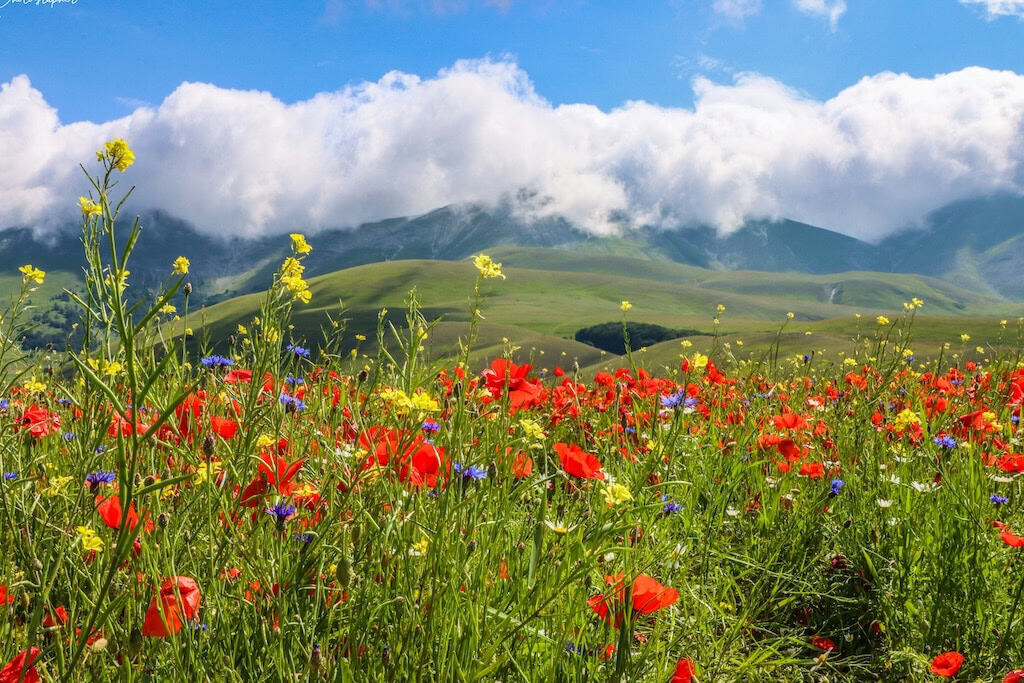
The World Evangelical Alliance’s Sustainability Center calls for a new thinking about the environment from a Christian perspective noting that creation, “Clean air. Clean water. Rivers and oceans teeming with wondrous creatures. Forests and grasslands, savannahs and wetlands, mountains and deserts, bursting with life. Soil alive, fertile, and fruitful” is a loving gift from God.
From the WEA’s perspective, caring for creation in an age of climate change means working toward a world in which people and ecosystems are resilient, able to adapt, and continue to flourish. “We envision a world where food and economic systems are ecologically sustainable, and every person has a home, a community, a place at the table, and a future in a flourishing place,” says Chris Elisara, director of the WEA Sustainability Center. “This is God’s good gift of creation—a home for all.”
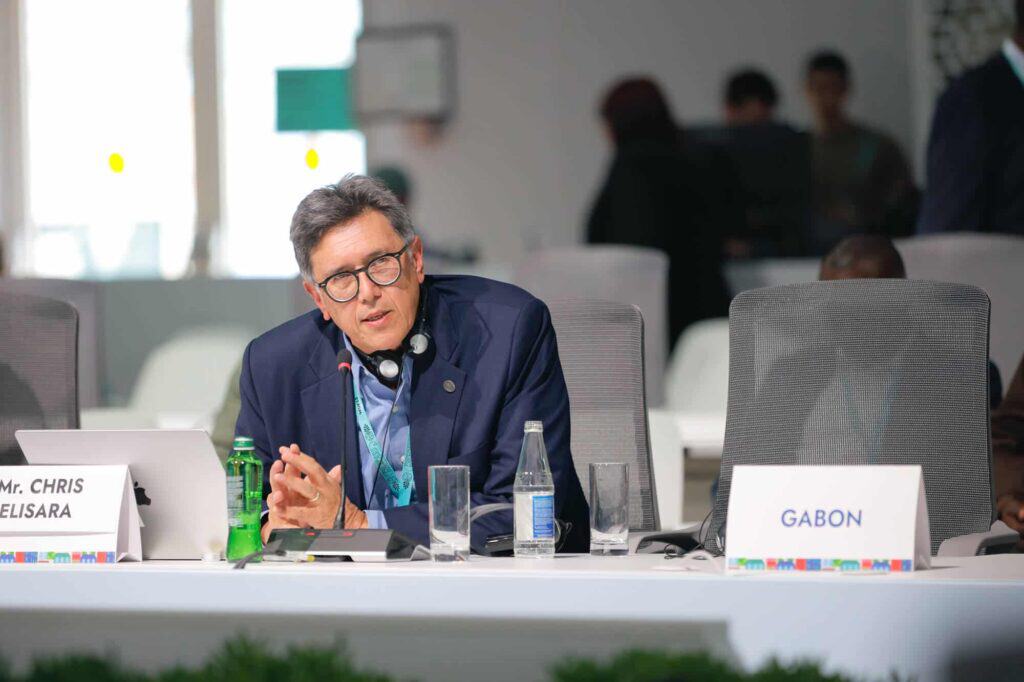
Elisara credits renowned ecologist and Christian Dr. Cal DeWitt with teaching him this understanding of Christian creation care: “Faithfully enjoying the fruit of God’s gift of creation, while faithfully protecting the fruitfulness of creation.” At the WEA Sustainability Center, this phrase is used to express simply, yet powerfully, the biblical foundation of our calling to care for creation.
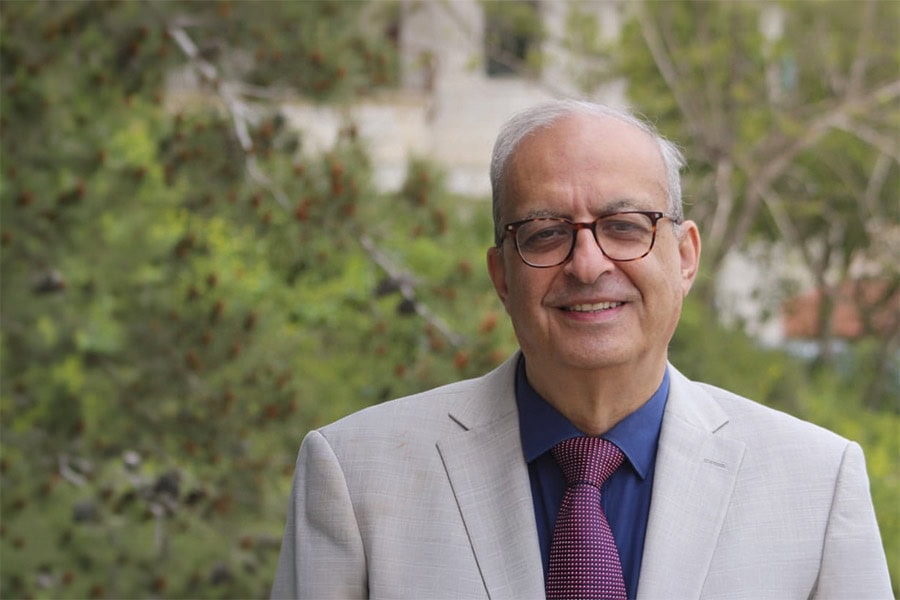
In remarks ahead of this year’s Season of Creation, Botrus Mansour, Secretary General of the World Evangelical Alliance, connected creation care with Christian confidence and the responsibility believers have toward God’s handiwork. Describing “a broken world that is kept captive between greed and fear, losing any perspective of hope,” Mansour said that those who “confess Jesus of Nazareth as our living hope” should unite in serving their neighbors in practical ways.
This year’s observance also marks an important institutional milestone. For the first time, the Feast of Creation in Christ has been formally included in the Revised Common Lectionary, with its first observance taking place on Sunday, September 6, 2026.
The feast will be celebrated during the wider Season of Creation, which begins September 1. According to the WEA Sustainability Center, this year’s observance is “especially significant” because of the Feast’s inclusion in the lectionary.
The WEA supported the global effort to establish the Feast of Creation in Christ and is now helping to develop resources for evangelical and other Free Church traditions. At its heart is a simple Christian confession drawn from Scripture: “Through him all things were made” (John 1:3).
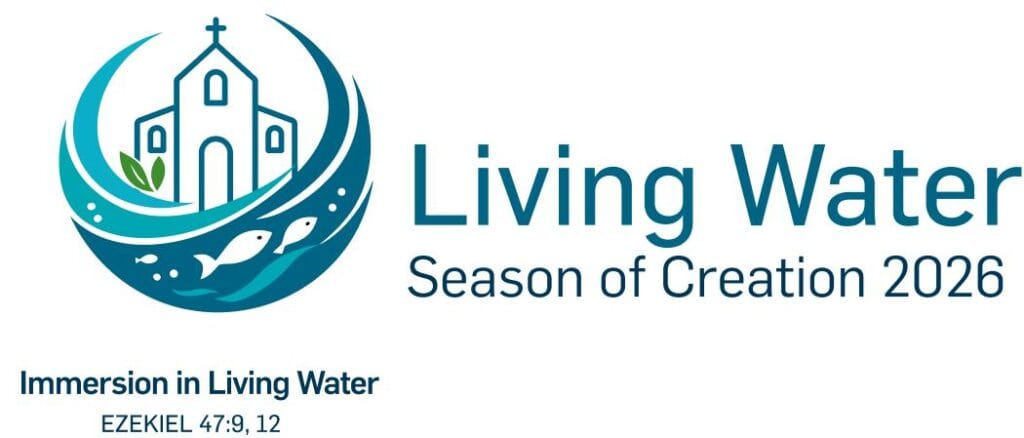
The WEA has also highlighted the 2026 Season of Creation theme, “Living Water,” inspired by the vision in Ezekiel 47 of God’s river bringing life, healing, and restoration: “Where the river flows everything will live” (Ezekiel 47:9).
Hope rather than despair
For Mansour, environmental concern is inseparable from spiritual hope. “One of the biggest fears for those who have no hope beyond the grave is that our planet is going down the drain,” he said. Christians, he argued, should respond to that anxiety with action grounded in Scripture rather than leaving it unanswered. “And we who do know about salvation of Christ for time and eternity are also concerned for creation.”
He emphasized that creation care should not be treated as a peripheral issue. “For creation is nothing second-rated,” he said, pointing to creation’s relationship with Christ: “Nothing is made without Christ. See John 1:3. And he holds it all together. Colossians 1:20.”
Mansour also pointed to the biblical foundation for humanity’s responsibility toward the earth. “Already in Genesis 2:15, man is told to work and to take care of the piece of earth where they lived,” he said. Such stewardship, he argued, is an expression of obedience to God: “It is an act of good discipleship and of fine stewardship.”
A practical Christian witness
Mansour argued that Christian care for creation is motivated not by despair, but by faith. “Because we do have this hope,” he said, “we want to serve our fellow men from Christ’s love also by understanding and sharing their concern for a drowning earth.”
He also connected creation care with Christian witness: “Those that confess Jesus as Lord should unite in taking care of God’s creation … and to show Christ’s relevance in one more practical way.”
As the Season of Creation unfolds throughout September and concludes on October 4, WEA leaders are encouraging churches to worship God as Creator, deepen their understanding of faithful stewardship, and respond to environmental harm with practical action and hope rooted in Christ.
Watch the WEA Secretary General speak about the new Feast of Creation in Christ, and find resources to help your church celebrate both the Feast and the Season of Creation here.