By Janet Epp Buckingham *
Geneva—The United Nations has declared August 22 as the International Day Commemorating the Victims of Acts of Violence Based on Religion or Belief. Although the day can easily pass unnoticed, it carries special weight for Christians: it invites us to remember those who have suffered and died because of their faith.
One of the earliest recorded Christian victims for his belief was Stephen, stoned to death following his proclamation of Jesus as the Messiah, as described in the book of Acts 7. Since then, thousands have died for their conviction, including many for their adherence to the Christian faith.
This year, international attention has again turned to Nigeria, where Christians continue to be among the victims of some of the world’s most serious violence based on religion or belief. Understanding what is happening there requires honesty about complexity.
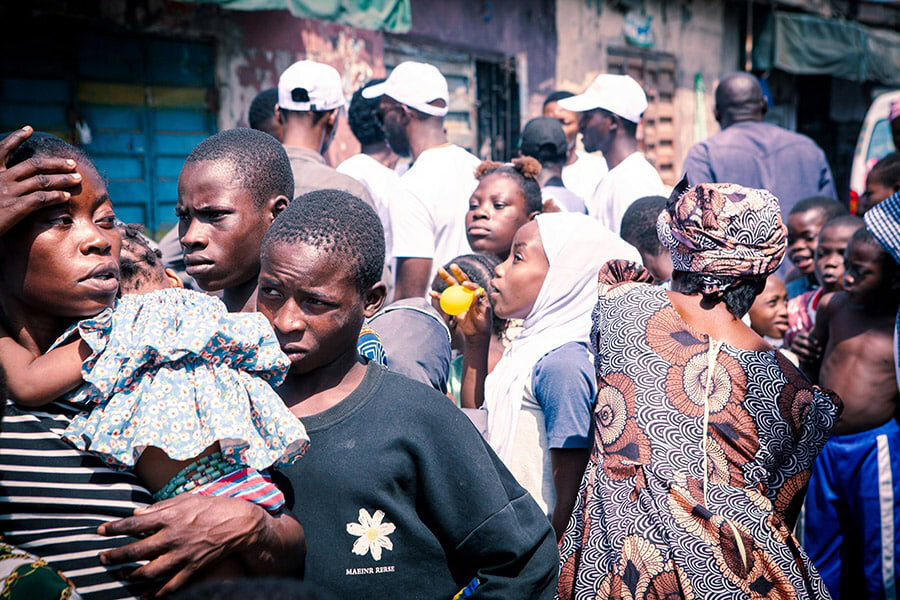
Violence in Nigeria is driven by extremist terrorism, criminality, competition over land and resources, ethnic tensions, and weak governance—each of which can play a role. It would be wrong—and harmful—to explain every attack as religious persecution alone.
But what is clear is that Christians are suffering and dying in large numbers, and in some communities, individuals are targeted because of their Christian identity. For victims, faith is not an abstraction. It shapes who is singled out, what communities endure, and what survivors live with long after the violence stops.
Leah Sharibu, abducted from school in northern Nigeria in 2018, was reportedly held in captivity because she refused to renounce her Christian faith and convert. She remains missing, now for more than eight years, according to widely reported accounts.
In 2022, Deborah Samuel, a 22-year-old university student, was killed after being accused of blasphemy over a WhatsApp message—an attack filmed on video—yet accountability for this murder has remained inadequate.
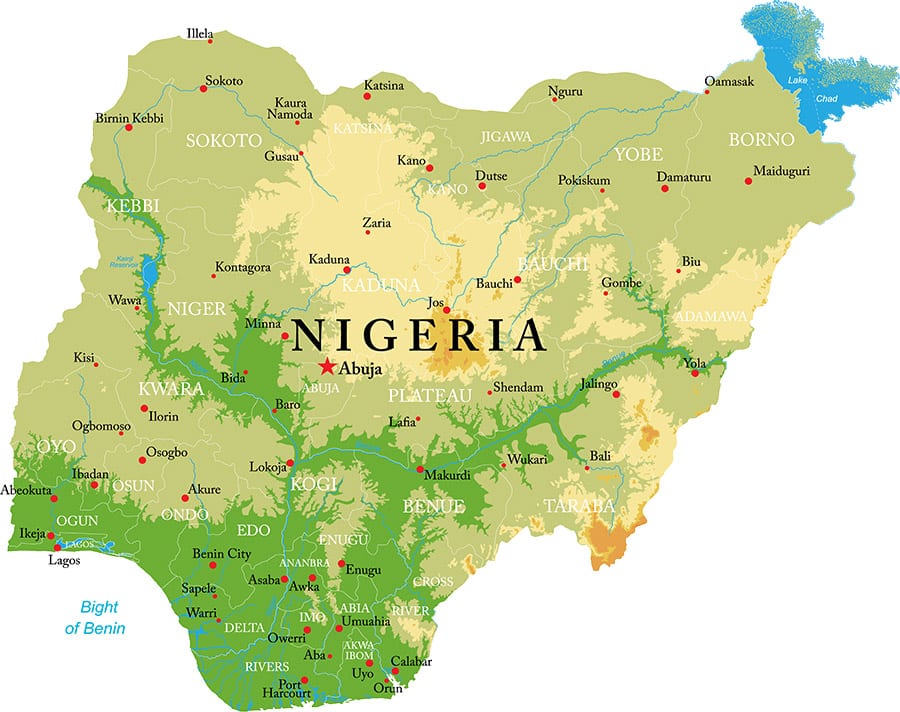
In Kaduna State on 26 July 2026, reports described attackers going house to house in an attack that left at least 30 Christians dead, including men, women, and children. It is not clear, however, whether all those killed were targeted solely because they are Christian—underlining the need for careful verification in every incident.
These are not simply statistics. They are daughters and sons, mothers and fathers, friends whose lives have been cut short. They are families forced to navigate grief that arrives not only with loss, but with fear—fear that the same community, or the same faith, will be blamed again tomorrow.
We must be careful with both our facts and our conclusions. Exaggeration can discredit a message intended to protect the truth. Over-simplification can obscure what victims actually experience. And not every act of violence should automatically be labeled religious persecution.
There are legitimate debates about how many people have been killed or displaced in incidents where religion is directly motivating. Still, multiple sources describe a severe and persistent pattern. The Open Doors World Watch List reported that 3,490 Christians were killed in Nigeria between October 2024 and September 2025. The Observatory for Religious Freedom in Africa (ORFA) reported 22,835 Christian civilians killed between October 2019 and September 2025. While numbers vary, the suffering they represent cannot be dismissed or made peripheral.
That framing can obscure the lived truth of many victims. When armed groups attack villages, kill civilians, and force families out of their homes, the conflict is not experienced as a negotiation over resources. It is experienced as the destruction of community life, livelihood, and belonging—often with religious identity playing a decisive role in who is targeted and how survivors are treated afterward.
One of the most disturbing dimensions of the violence is the abduction of schoolchildren. In 2014, Boko Haram kidnapped 276 girls from a secondary school in Chibok, an event that became a global symbol of the threat to children in Nigeria. More than a decade later, some of those girls remain missing. Since then, there have been repeated mass abductions across Nigeria, with some children eventually released and others not. For parents, the terror is ongoing: sending a child to school and not knowing whether they will return.
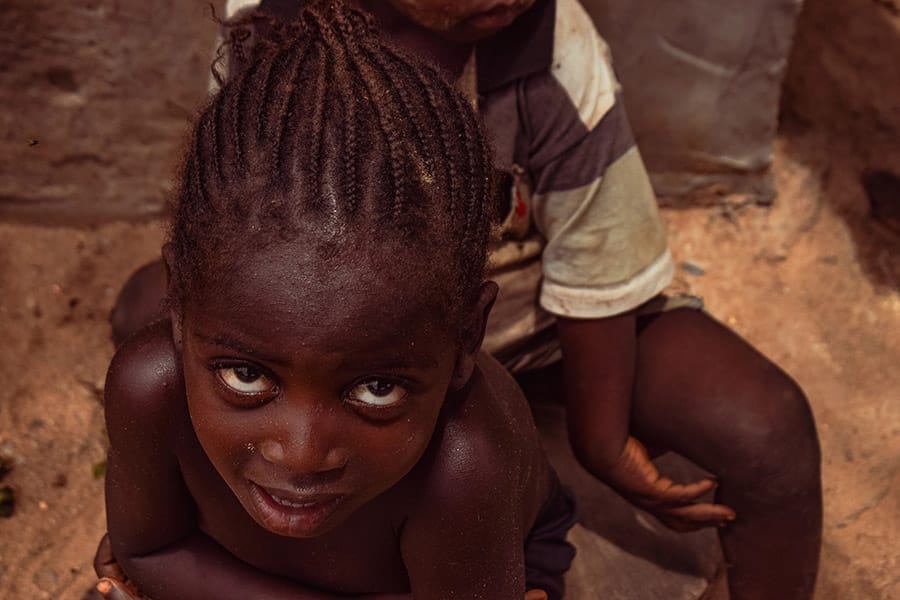
Credible reporting shared with international stakeholders, including through UN channels, indicates that some abducted Christian girls have been forced to convert and enter marriages with their captors. These are not only security incidents; they are profound violations of human dignity, freedom of religion or belief, and the rights of children.
For many families, the consequences extend far beyond the immediate violence. Nigeria has one of the largest populations of internally displaced people, with millions forced from their homes due to conflict and insecurity. Some of these families are displaced in circumstances where Christian faith is reported to be a factor. Widows have watched husbands be killed. Parents have lost children. Families have seen their homes and livelihoods destroyed. Displacement brings its own trauma—scarcity of food and shelter, instability in education and medical care, and continuing fear that return will be unsafe. For many women and girls, sexual violence has been part of the devastation. And for all survivors, the question becomes painfully human: how do you feel safe going back to the village where your family was harmed? How do you rebuild when accountability is missing? How do you recover dignity when your land has been taken over by those who destroyed your life?
On this International Day Commemorating the Victims of Acts of Violence Based on Religion or Belief, let us remember the thousands of Nigerians who have lost their lives, the children abducted from their schools, the families driven from their homes, and those still missing or living with fear and trauma. Let us also remember what statistics can never fully capture: these are God’s beloved children.
Please join me in remembering the victims of religiously motivated violence in Nigeria and around the world—for those mourning loved ones, for those still displaced, and for those struggling to rebuild their lives. May remembrance lead not only to prayer, but to action: to defend freedom of religion or belief, to call for accountability, and to stand with those whose dignity and rights are under threat.
* Janet Epp Buckingham is the director of the World Evangelical Alliance Geneva Office to the UN.
An earlier version was published on the website of the Evangelical Fellowship of Canada