
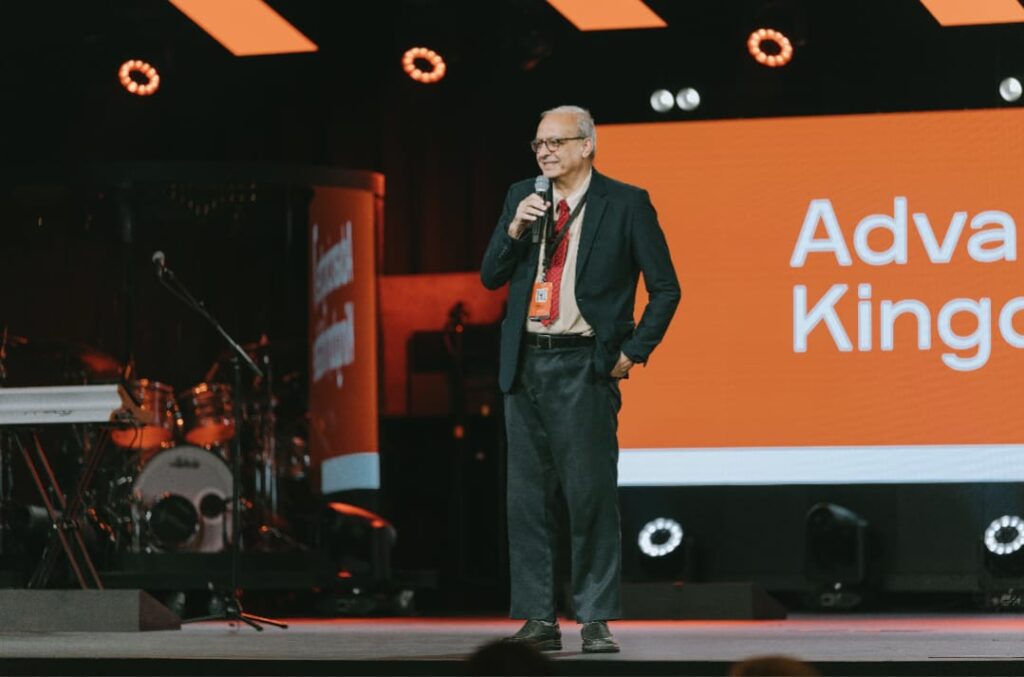
Jesus is at the center of our faith—a Savior who reconciles, heals, and brings peace where there is division. He is not only the foundation of our beliefs but also the one who restores relationships, breaks down walls, and shows the world God’s love in action.
Your Holiness, Your Eminences, Your Beatitudes, Your Excellencies, dear brothers and sisters in Christ,
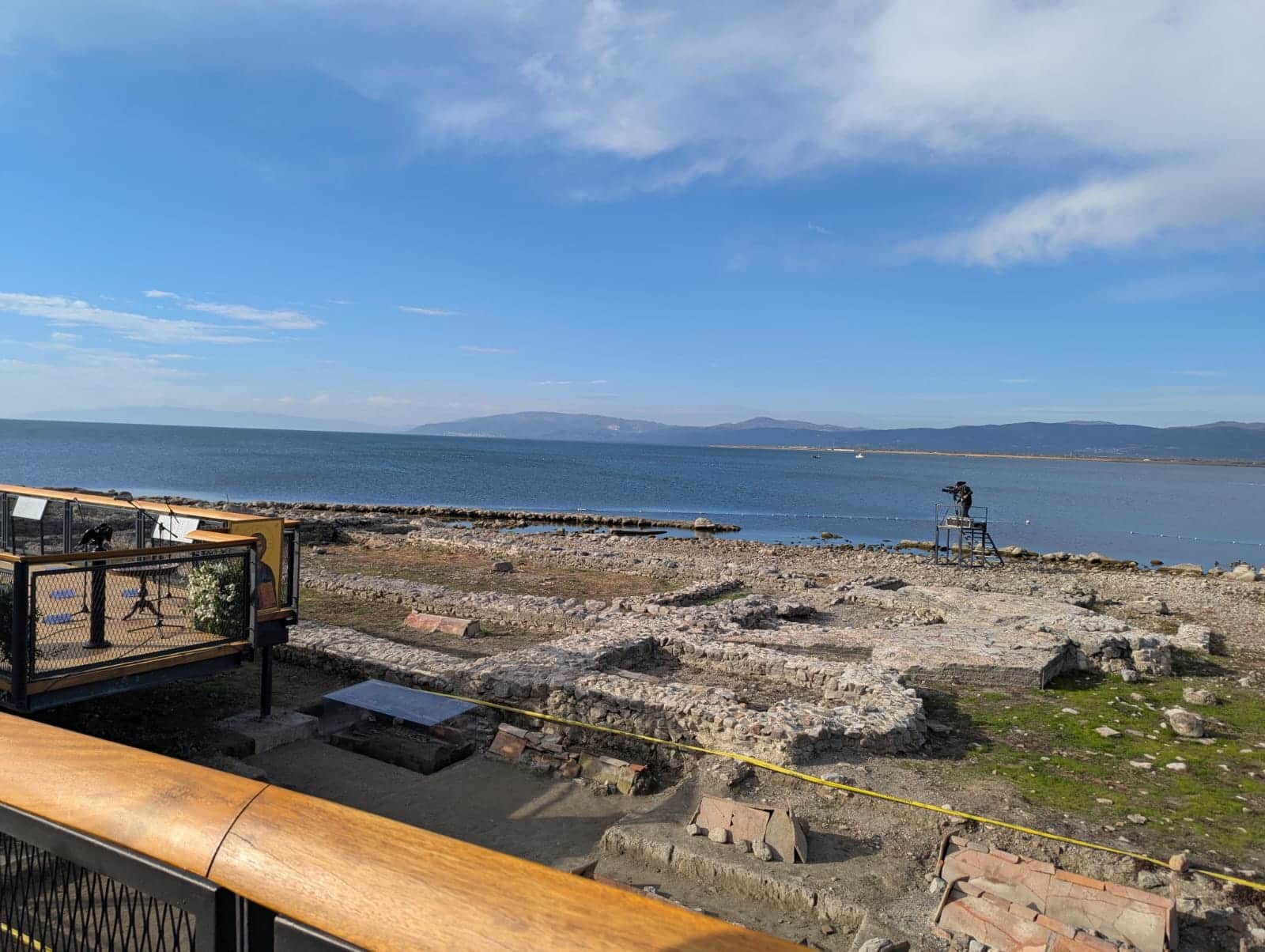
It is a deep honor to stand with you in Istanbul, where 1700 years ago the Church gathered at Nicaea to answer one decisive question—a question that echoes Jesus’ words at Caesarea Philippi: “But who do you say that I am?”
The Nicene Council was the Church’s united response to an attack on the very identity of Jesus Christ. The bishops proclaimed with one voice:
“God from God, Light from Light, true God from true God.”
They affirmed what Peter confessed: He is the Christ, the Son of the living God—fully divine, fully able to save.
Seventeen centuries later, the identity of Christ is still challenged—sometimes reduced to a moral teacher, sometimes stripped of authority, sometimes disconnected from His mission of salvation and reconciliation.
There are attacks on Christ as Savior when the cross is emptied of its power;
and attacks on Christ as Lord when His teachings are overshadowed by violence, nationalism, or division.
In the Holy Land—my region—these questions are painfully real. Our communities face war, fear, and deep wounds. Many ask: Where is Christ in all of this?
We answer not with political commentary but with the faith of Nicaea: with Christ who reconciles, who heals, who breaks down dividing walls, whose peace surpasses all understanding.
And we remember Nazareth, where Jesus entered the synagogue and revealed His identity and mission. He read from Isaiah:
“The Spirit of the Lord is upon me… to proclaim good news to the poor… freedom for the captives… to set the oppressed free.”
Then He said, “Today this Scripture is fulfilled.”
In Nazareth, Jesus showed that His identity as the Son is inseparable from His mission to heal, restore, liberate, and reconcile.
This is the Christ we confess today—and the Christ our wounded world needs.
I also speak as the Secretary General of the World Evangelical Alliance, representing more than 650 million evangelicals in 161 countries. Our movement stands firmly on this Nicene faith: Jesus Christ is fully God, fully man, risen Lord, and Savior of the world.
And as we commemorate 1700 years since Nicaea, we also look toward another milestone:the 2000th anniversary of the Resurrection in 2033.
Across the world, Christians are sensing a call to renew our witness so that by that anniversary every person may have the opportunity to encounter the gospel—not out of triumphalism, but in obedience to the Risen Lord who sends us to all nations.
The Nicene Creed grounds this mission. It anchors our unity not in politics, not in culture, but in the identity of Christ Himself.
So may this anniversary call us again to unity, to courage in proclaiming Jesus as Savior, to obedience in following Him as Lord, and to renewed commitment to bring the good news to all peoples as we approach 2033.
I close with the words of Colossians 1:19–20:
“For God was pleased to have all His fullness dwell in Him, and through Him to reconcile all things to Himself… making peace through His blood, shed on the cross.”
To Him be glory forever. Amen.
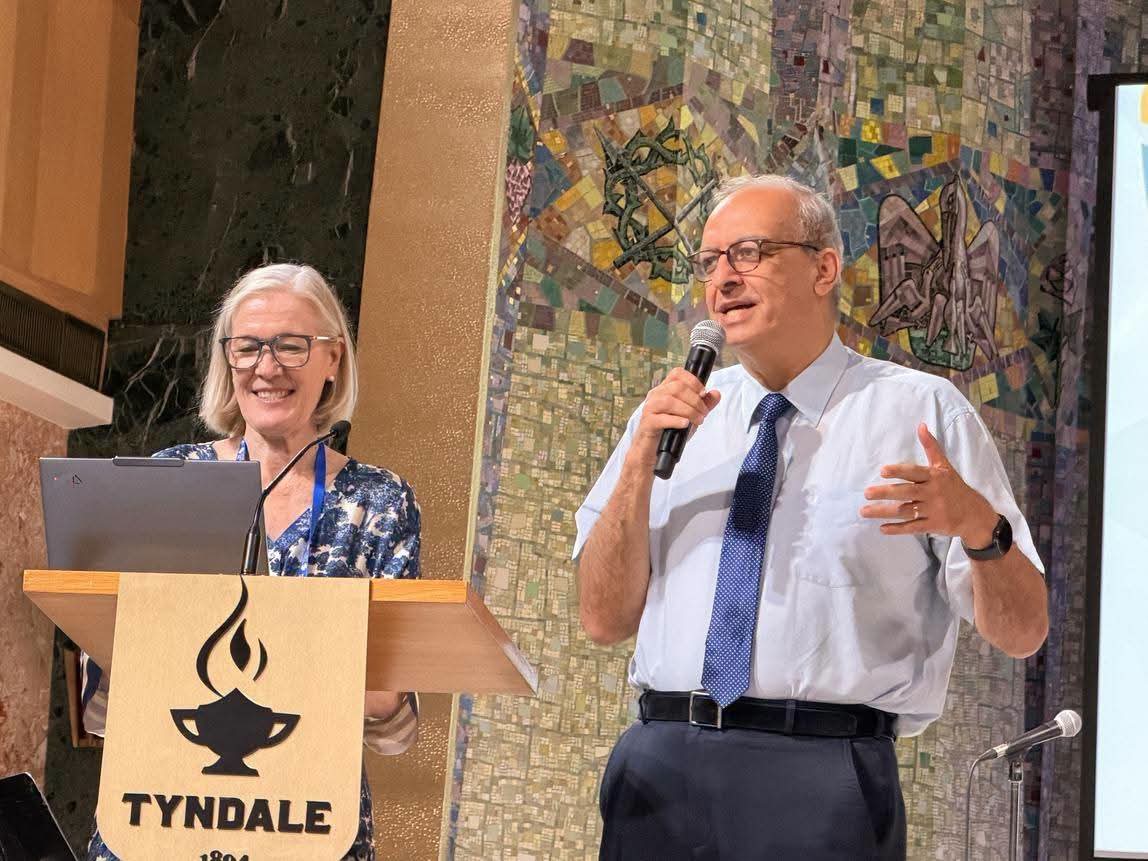
Speech made by Rev. Botrus Mansour during the celebration of 1700 years of the Nicene Creed in Iznik, Turkey


Stay Connected