
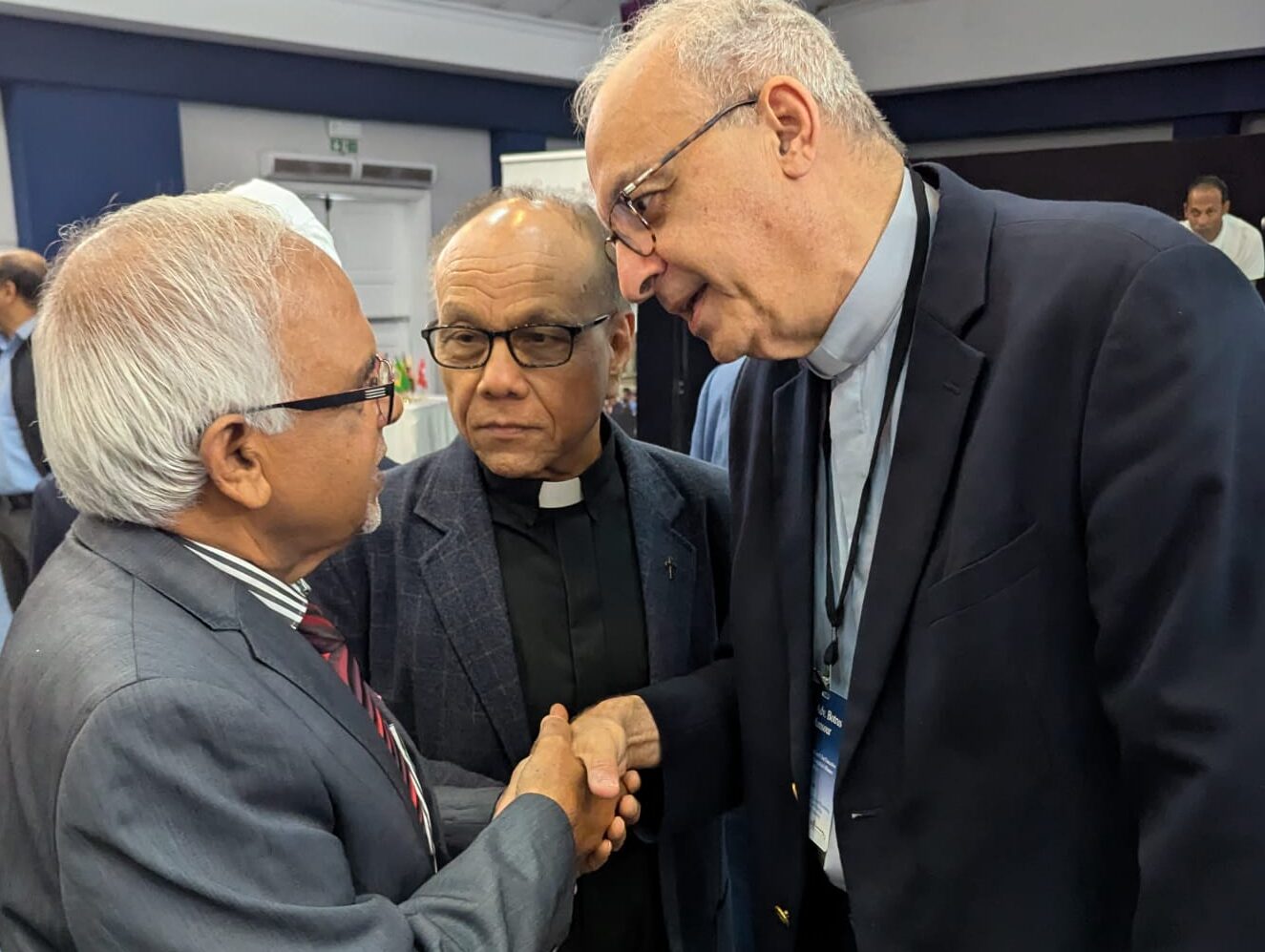
Prague- Rev. Botrus Mansour, Secretary General of the World Evangelical Alliance, urged stronger regional collaboration among workers in religious freedom organizations at a Prague conference on religious freedom.
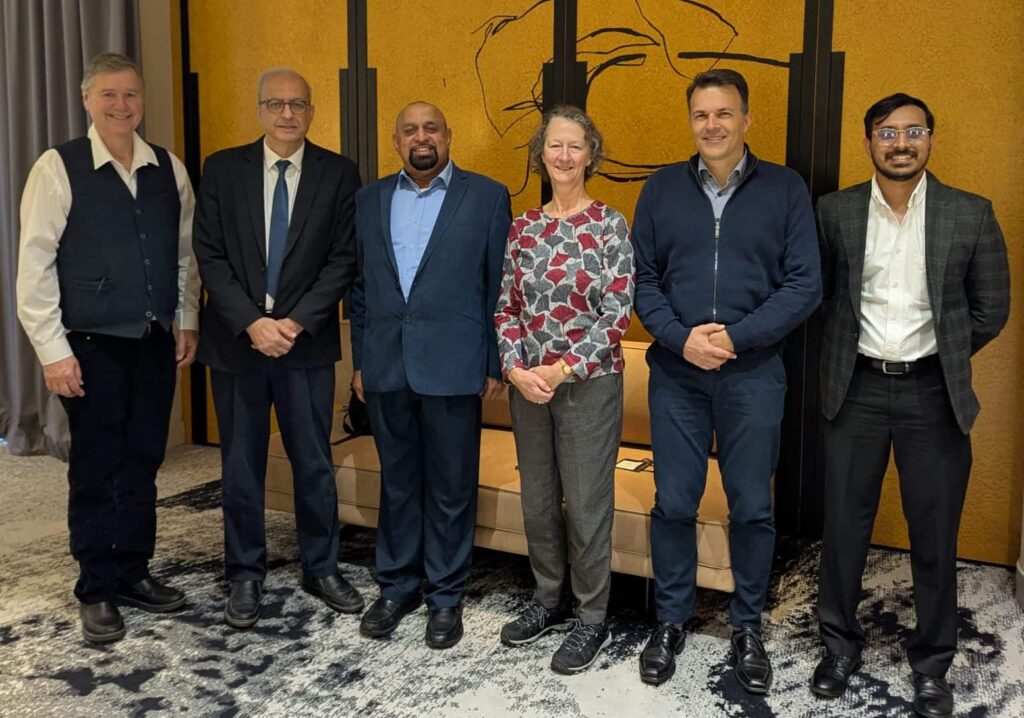
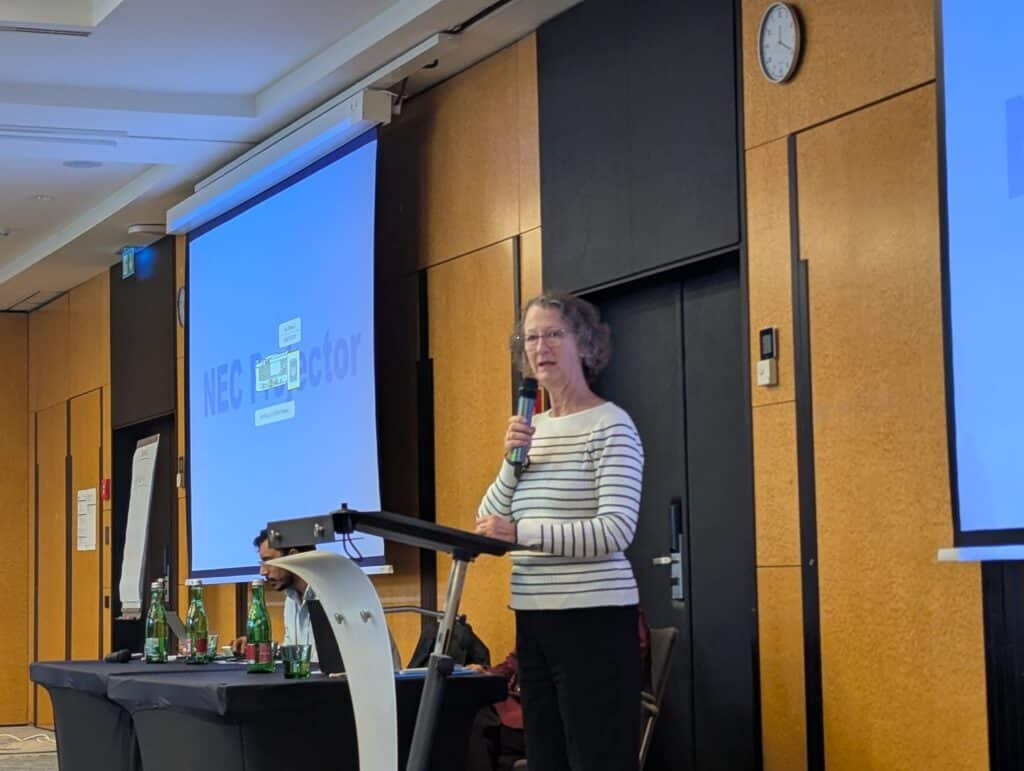
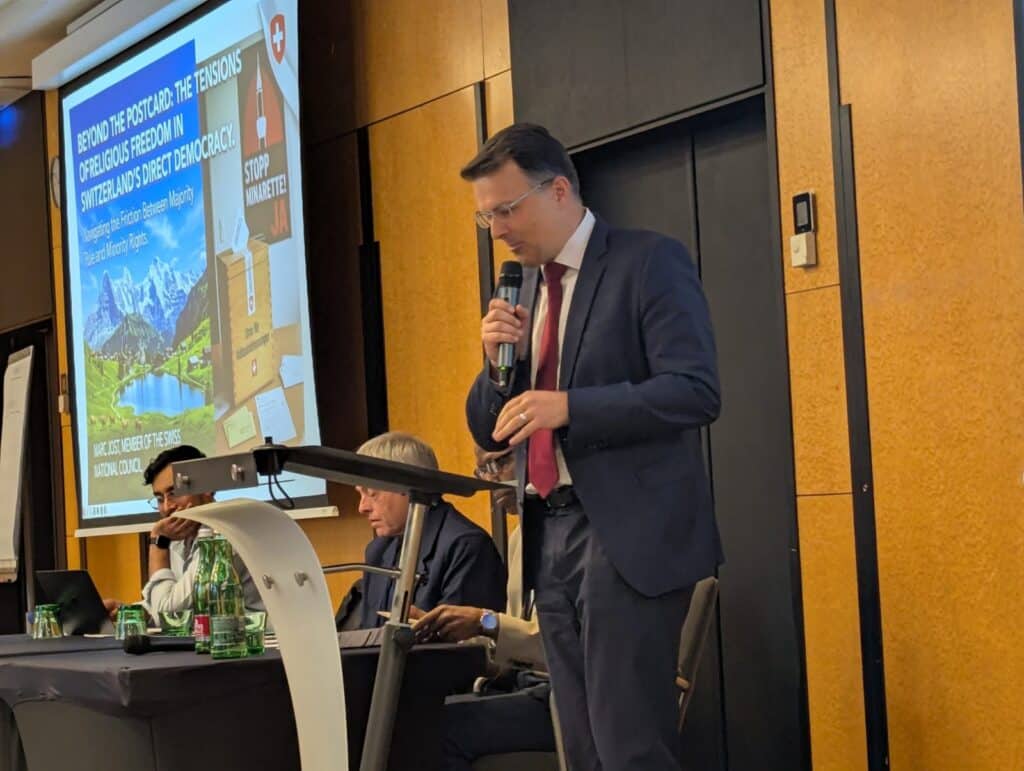
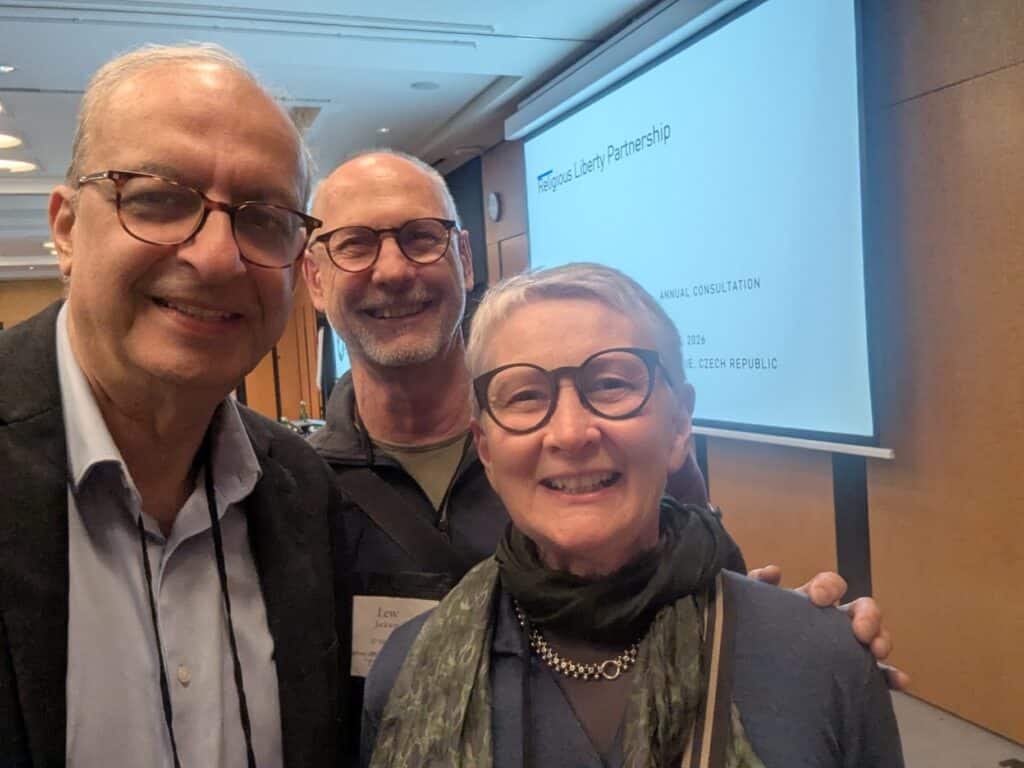
The event, organized in the third week of April by The Religious Liberty Partnership (RLP), a global alliance of Christian organizations spanning every continent, gathered activists from different religious freedom organizations to spotlight challenges to religious freedom across the region.
Through different speakers, the conference reviewed the situation in different areas of the world. Rev. Mansour focused specifically on the Middle East, where Christian communities have faced shifting political realities, security threats, and evolving recognition.
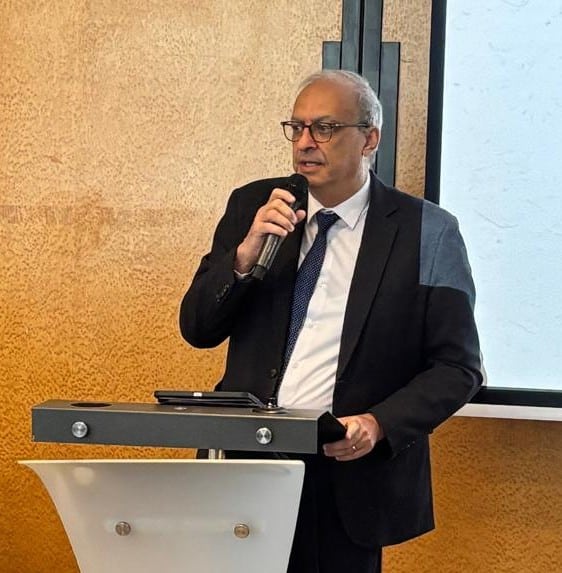
Mansour articulated a synthesis of theological reflection and political analysis. He framed advocacy as a compassionate and strategic enterprise, urging participants to work together beyond doctrinal boundaries.
The Evangelical leader, who is a lawyer by training. used the term of his profession to promote support for communities in need. “An advocate is also a lawyer. “As advocates, you are a paraclete, and of course, the Holy Spirit is called also a paraclete.”
“Advocates for religious freedom are servants of the Lord in this sacred mission to ensure freedom of religion/ They are ‘paracletes’—those who walk beside believers and offer protection and guidance. Mansour likened “advocacy to both pastoral support and legal counsel.”
Representing a voice from Nazareth, Mansour’s hometown, the evangelical leader emphasized that the Middle East has been shaped by two “tectonic” events, which he described as central to current dynamics:
- The Arab Spring: He argued that initial hopes for liberal, open, democratic reforms gave way to more organized opposition in some contexts, notably the Muslim Brotherhood, contributing to regional turmoil in places like Syria and shifting politics in Egypt.
- The events beginning on October 7: He framed this as part of a longer, roughly 16-year arc that has significantly affected regional stability and the fate of Christian communities.
Despite these pressures, Mansour suggested there are places where Christians in the region enjoy greater freedom to worship, attributing progress to Christian education, peaceful conduct, and constructive regional presence. He cautioned, however, that conversion remains a controversial and contested issue.
Throughout his remarks, Mansour drew on experiences across Jordan, Palestine, Israel, Syria, Lebanon, and Egypt, noting varying levels of recognition for evangelical and other Christian groups.
During the Q&A session, Mansour delved into why some evangelical alliances, like those in Jordan, lack formal recognition, compared with other contexts where engagement appears different.
He spoke about the desire of lots of Christians in the Middle East to immigrate to the West due to the continuous seasons of war and tension. However, he said, “Our calling is actually to stay; the default would be to go somewhere else. But we choose to stay because of our calling,” Mansour said, underscoring a pastoral and strategic resolve to remain in the Middle East despite mounting pressures. He added that “Christians earned this because of their good education, their peaceful ways and their efforts to be positive even in the troubled Middle East.”
It is worth noting that WEA was instrumental in the formation of the Religious Liberty Partnership in the early 2000s, and WEA chairman of the International Council of WEA, Godfrey Yogarajah, serves on its board.



Stay Connected