Two years before Karl Marx published The Communist Manifesto, something remarkable happened in London. In 1846, church leaders from Protestant churches across Europe and North America gathered—across denominational lines, across national borders, across centuries of theological disagreement—and formed the Evangelical Alliance. It was an act of extraordinary vision that the world had never seen: Christians, who had spent centuries dividing over doctrine and polity, choosing to stand together on what they held in common.
The moment was not accidental. It came on the tide of the first great awakenings, when the Spirit had moved across the English-speaking world with a force that ignored the usual ecclesiastical boundaries. William Wilberforce had just finished his long campaign to drive slavery out of the British Empire. Leaders were looking for ways to sustain that momentum—to channel the energies of an awakened church into something that could endure. The Evangelical Alliance was their answer.
The founding vision was simple and bold, emphasizing that evangelical Christians, whatever their denominational home, shared a common faith and a common calling. The Evangelical Alliance founders were not erasing differences. They were affirming that underneath the differences lay something more fundamental: a shared conviction about the authority of Scripture, the necessity of the new birth, the centrality of the cross, and the urgency of mission. Those convictions, they believed, were enough to build on.
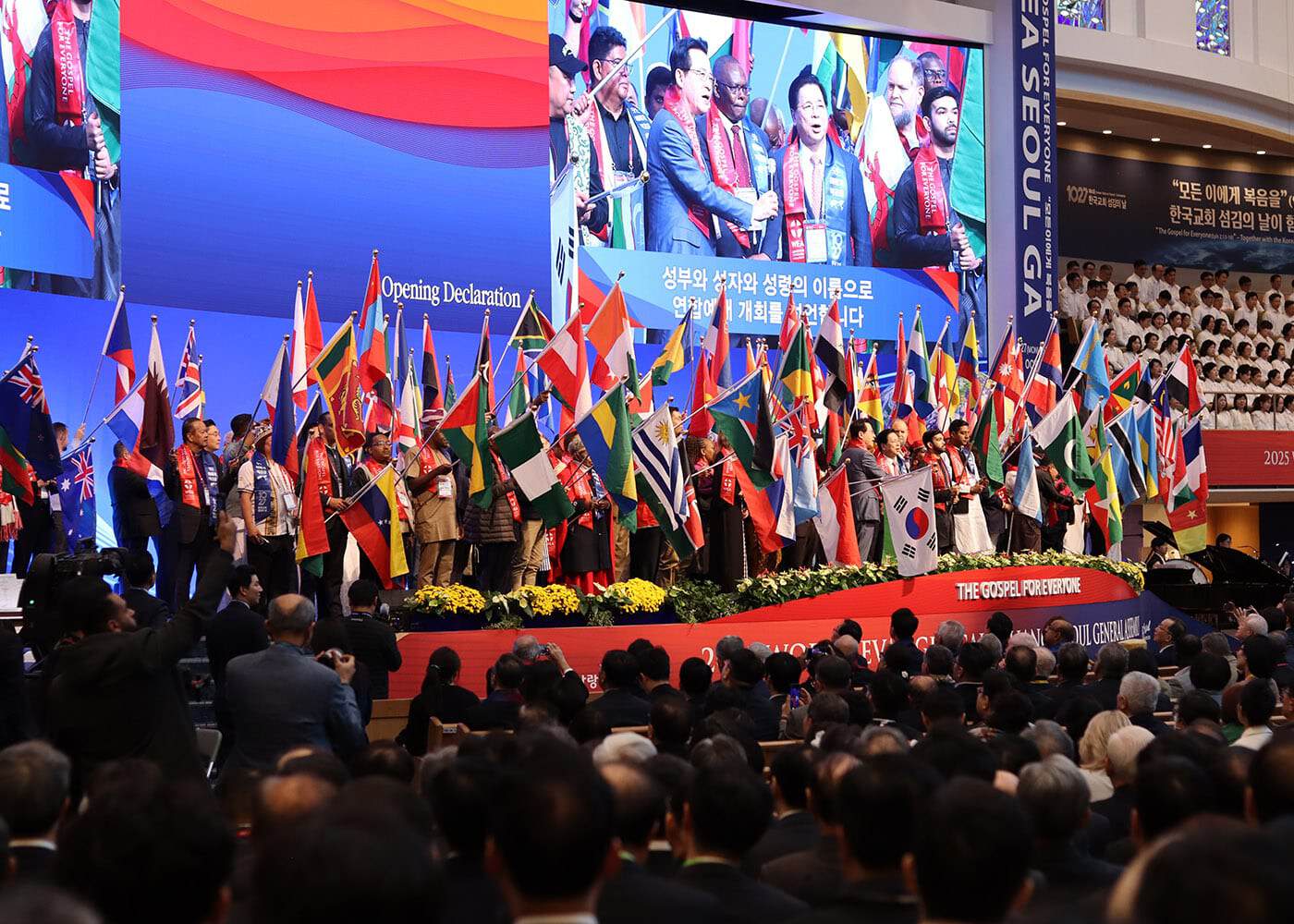
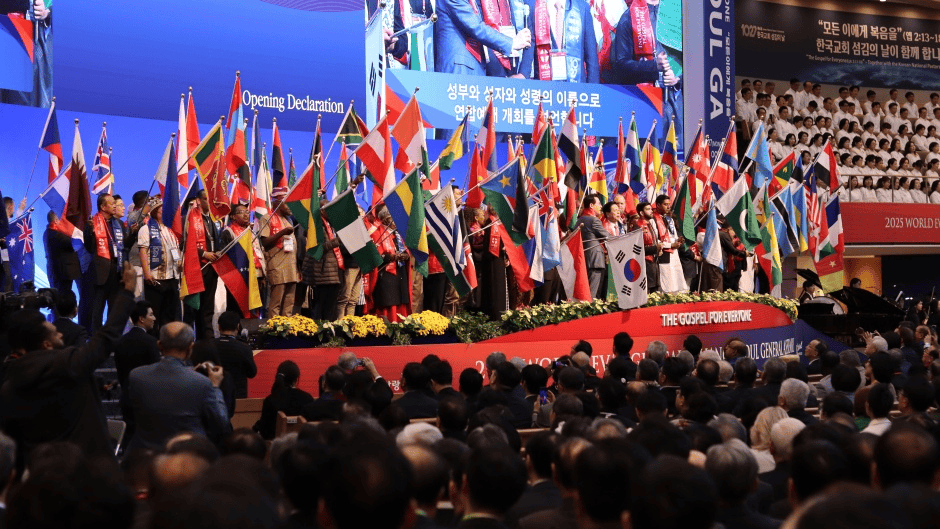
That was 1846. Years later, that original instinct has grown into something its founders could hardly have imagined. What began as a gathering of Protestant leaders in one city is now the World Evangelical Alliance—a global network of 163 national alliances, representing about 650 million evangelical Christians worldwide. It is, by any measure, the largest and most geographically diverse evangelical Christian network on earth.

What the WEA Actually Does
The WEA is one of the great untold stories of the global church. Most evangelicals have never heard of it. Many who do know about the WEA have only a vague sense of what it does. That is part of the problem, as the WEA deserves far more support than it currently receives.
The WEA speaks for the evangelical movement as no other organization can. When evangelical Christians in India are facing discrimination, when churches in North Africa are being shut down, or when believers in Central Asia are imprisoned for their faith, the WEA can walk into a human rights tribunal in Geneva or a committee room at the United Nations and speak with recognized authority on their behalf. It has earned that recognition over decades of faithful representation and is now acknowledged as the primary representative voice for roughly one-quarter of the world’s Christians.
In the architecture of global diplomacy, representation matters enormously. Religious communities with no recognized voice at the international table are essentially invisible to the processes that shape international law, human rights conventions, and government policies. The WEA gives evangelicals a seat at that table. It pursues religious liberty cases, advocates for persecuted believers, and engages with international bodies in ways that individual churches and denominations cannot.
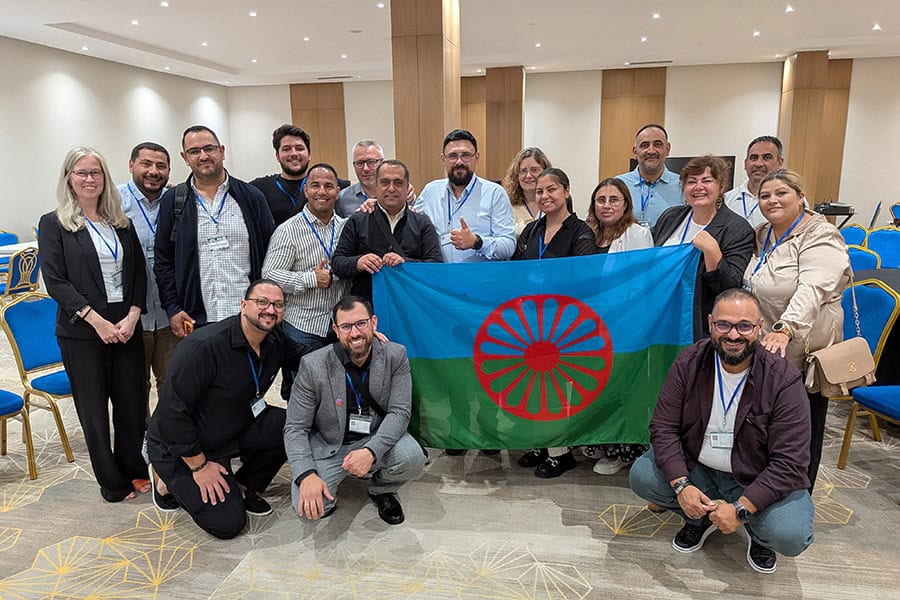
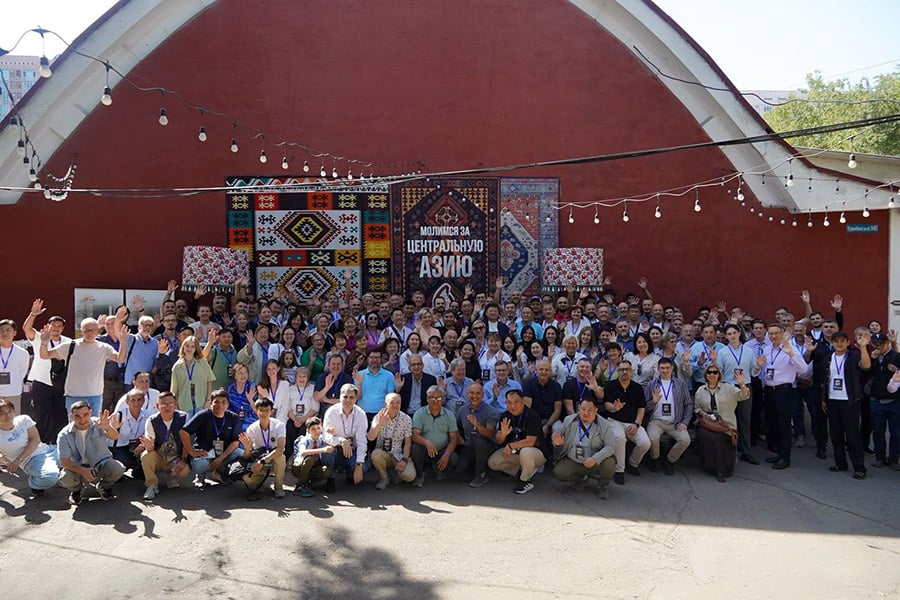
But the WEA is more than a lobbying presence in Geneva and New York. Through its national alliances—those 163 country-level bodies—it reaches into the texture of local church life on every inhabited continent. Each national alliance is autonomous, led by local Christians, accountable to the churches in its own context. The WEA does not impose a Western agenda on the Majority World. It provides a framework within which Christians from every culture can find common cause and mutual support. That is a harder thing to build than it sounds, and it is one of the WEA’s genuine achievements.
Over the decades, the WEA has been the seedbed for some of the most significant collaborative efforts in evangelical history. Billy Graham’s Lausanne Congress in 1974—which produced the Lausanne Covenant, one of the defining documents of twentieth-century evangelical missiology—drew directly on the network of relationships and national alliances that the WEA had cultivated. The WEA has established accountability frameworks for evangelical universities and colleges worldwide. It has created platforms for theological dialogue that cross cultural and denominational lines. It has been, in the truest sense, a flag bearer for evangelical theology in the global public square.
The Funding Problem
And yet the WEA operates on a shoestring, with no significant, stable funding sources. The core challenge is one of perception. The WEA does not feed children, distribute Bibles, build churches or run hospitals. What the WEA does is harder to explain in a fundraising letter. It provides evangelical coherence. It gives the global evangelical community a common voice, a recognizable theological identity, and a representative presence in the rooms where decisions are made. It is, in the language of organizational life, infrastructure. And infrastructure, as anyone who has tried to fund it knows, is a notoriously hard sell.
I have met very few people who wish the WEA would disappear. Almost universally, the response from people who learn about it is “Of course this needs to exist. Of course we need a body that can speak for evangelical Christians before the United Nations and connects believers across the world.” The difficulty is to translate that instinctive recognition into a sustained financial commitment that would give the WEA the resources that its tasks actually require.
Why This Matters Now
The centre of gravity of the evangelical movement has shifted to the Majority World, raising urgent questions about how the global evangelical community governs itself and speaks with a common voice.
Those are precisely the questions the WEA exists to address. No other organization has both the global reach and the evangelical theological grounding to do what the WEA does. Parachurch ministries, however excellent, operate in specialized domains. Denominations, however large, speak for their own constituencies. The WEA alone has the mandate and architecture to speak for evangelical Christianity as a whole—to gather the voices of believers from 163 nations and bring them into coherent, sustained engagement with the challenges and opportunities of this historical moment.
Every blessing,