
Over 400 influential African mission leaders from around 40 countries gathered in Abidjan, Côte d’Ivoire (9–13 March 2026), including diaspora representatives, partners, and 40 younger leaders, to address critical issues shaping the future of mission in Africa.
MANI traces its origins to a gathering of 320 delegates from 36 nations in Jerusalem, where leaders affirmed Africa’s responsibility in global mission through the Jerusalem Declaration, building on the AD2000 movement. Subsequent consultations in Kenya (2006), Ethiopia (2016), and Nigeria (2022) produced further declarations.
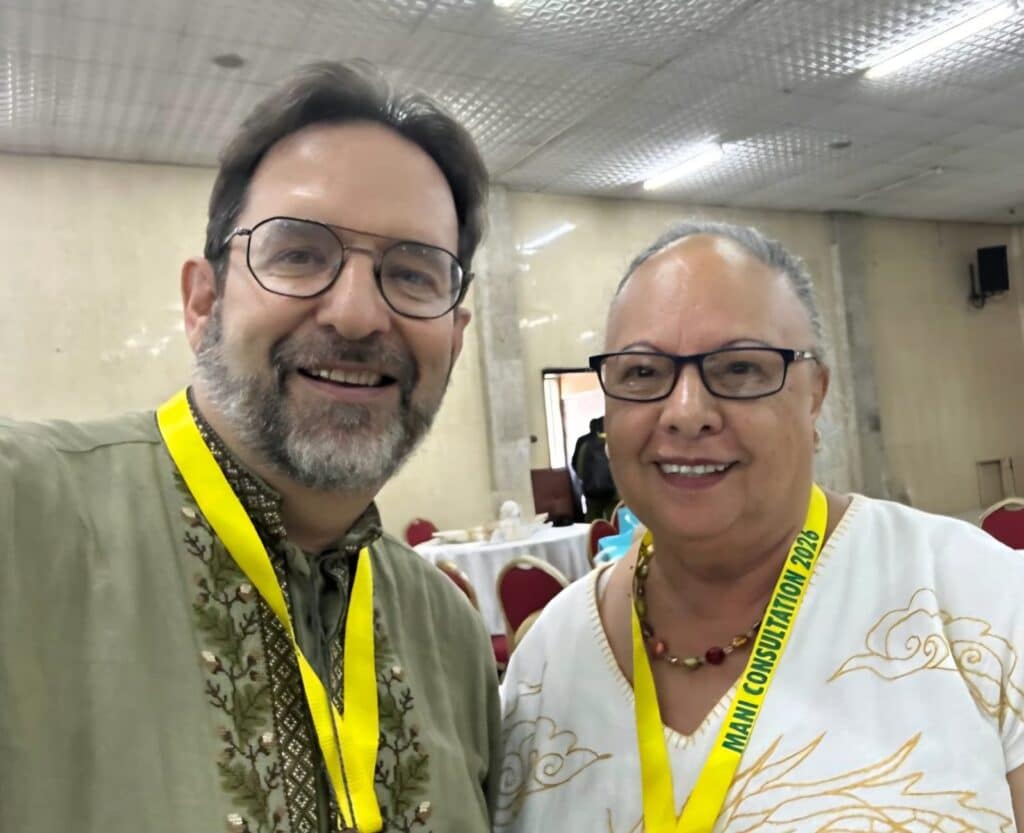
MANI continues to serve as a ‘network of networks,’ catalyzing collaboration, mobilization, and mission across Africa and beyond. It works alongside partners such as the WEA Missions Commission, AEA, Lausanne, Joshua Project, and TWMA. Representatives from these bodies, including WEA leaders, actively participated, alongside strong representation from national evangelical alliances.
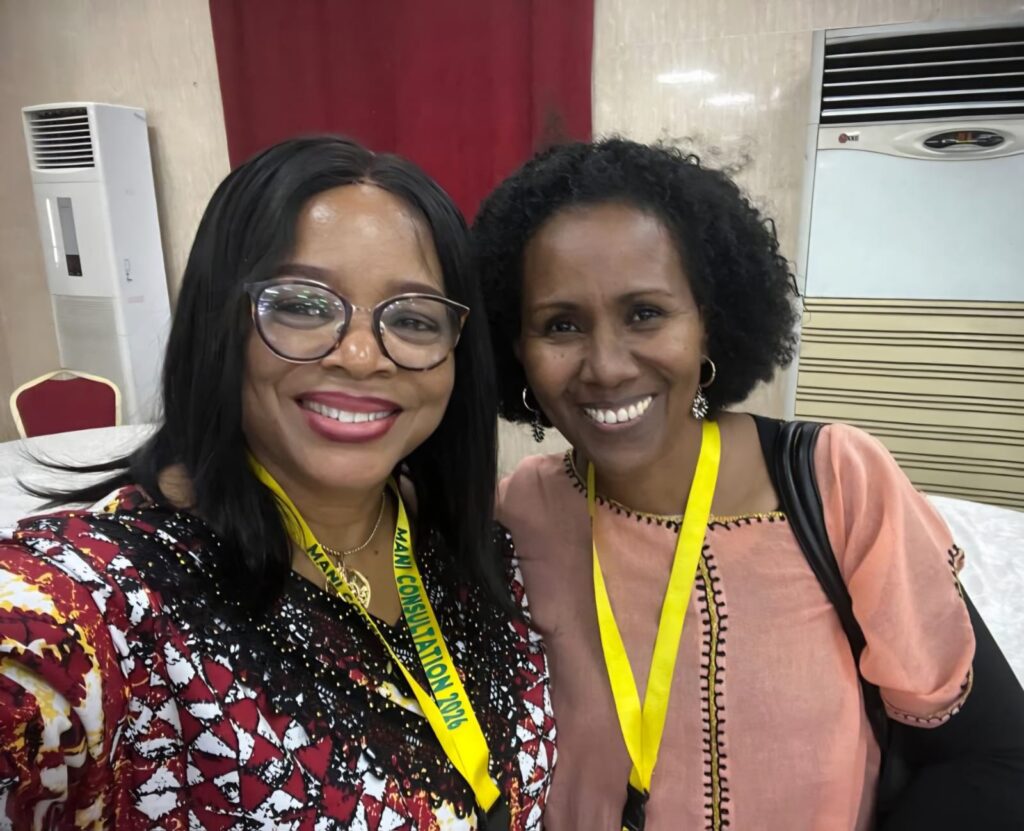
A pre-consultation by the African Women in Missions Network (AWIMN) gathered 43 participants, emphasizing the vital role of women in mission and calling for strengthened partnership between men and women. Ongoing collaboration between AWIMN and the WEA Women’s Commission was also advanced. There was an opportunity for Dr. Seble Daniel, Director of the WEA Women’s Commission and Dr. Nosa Tukura, Director of AWIMN to meet and discuss further collaboration.
The consultation called for both reflection and forward planning. Participants engaged testimonies of persecution, explored innovative mission approaches, and examined the Church’s current state. Study of the seven churches in Revelation, prayer, and worship framed the gathering spiritually. Research from the Country Assessment Process highlighted the urgency of reaching unreached people groups through coordinated national and regional strategies.
Key themes included the centrality of the Great Commission for every believer, the strategic role of the African diaspora in global mission, and the need to integrate their contribution more intentionally.
The Abidjan Declaration identified six priorities:
- Renewed vision and leadership transition from Dr. Reuben Ezemadu to Rev. Peter Oyugi
- Strengthened missionary training and use of media (including audio Bibles and radio)
- Greater unity, collaboration, and resource sharing across the Church
- Preparedness amid persecution and political instability
- Transformational discipleship and youth mobilization
- Sustainable, contextually relevant mission models addressing dependency and poverty mindsets
The consultation affirmed that the African Church is increasingly a sending force—mobilizing, equipping, and contributing globally—not in competition, but in collaboration with the wider Body of Christ.
Prepared by Rev. Esme Bowers, WEA Director for Church Engagement (March 2026)




Stay Connected